
How Wind and Hail Can Damage Your Home Before You Notice
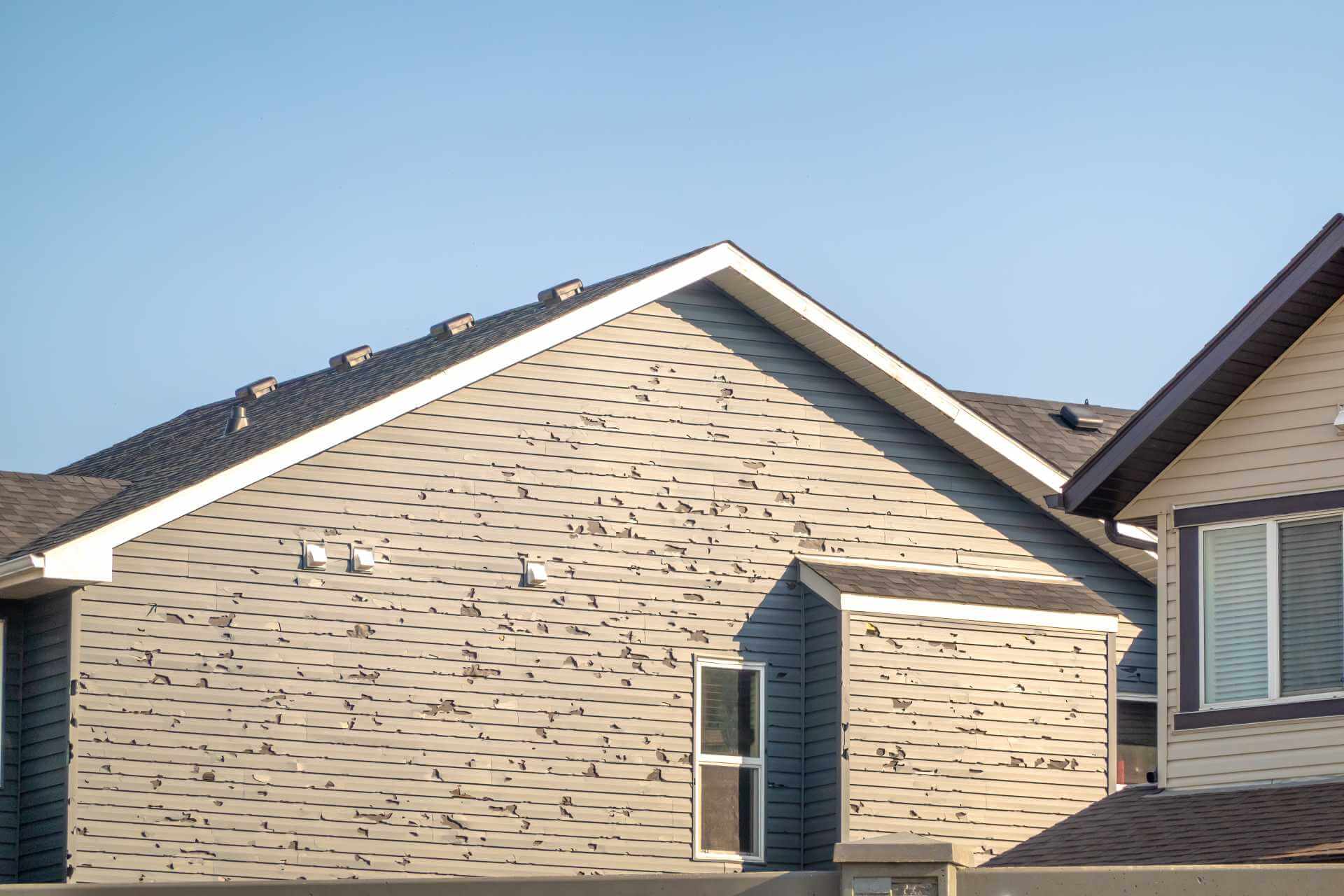
Storms move fast, and the worst damage they leave behind is rarely the kind you can see from the driveway.
A roof can look untouched while shingles quietly loosen, granules wash away, and small cracks open pathways for water. This is why hail damage protection starts with awareness, not repairs.
Many homeowners assume that if nothing blew off the roof, the house came through fine. That assumption costs money later.
According to the Insurance Information Institute, about one in 35 insured homes files a property damage claim tied to wind or hail every year, making it the single most common reason homeowners end up filing a claim at all. Minor storm damage tends to hide until it grows into leaks, rot, or structural problems. By then, a simple fix has turned into a major project.
The smarter path is early detection. Routine inspections, sensible prevention, and timely wind damage restoration keep small issues from becoming expensive ones.
This guide walks through how storm damage develops unseen, what to look for, and how to protect your home before the next system rolls in.
How Wind and Hail Damage Homes Without Immediate Warning
High winds rarely rip a roof apart all at once. Instead, they loosen fasteners, lift shingle edges, and break the seals that hold everything down. The roof still looks intact, but its defenses are already weaker. The next storm finishes what the first one started.
Common signs of hail damage include:
- Bruised shingles that may weaken the roof surface.
- Cracked siding from direct hail impacts.
- Dented gutters and downspouts.
- Chipped window frames or other exterior surfaces.
- Hidden damage that may not be visible from the ground but can let moisture in over time.
Water intrusion often begins weeks or months after the storm passes. Unnoticed storm damage is a leading cause of the leaks that follow later in the season, which is exactly why strong hail damage protection means addressing the hidden weaknesses that lower your home’s resilience against future weather.
Common Areas of Your Home That Are Most Vulnerable
Certain parts of a home take the brunt of wind and hail. Knowing where damage tends to hide helps you focus your attention and better protect your home from hail damage before problems spread.
- Roof shingles and flashing: The first line of defense and the most exposed. Flashing around chimneys and valleys is a frequent leak point.
- Gutters and downspouts: Hail dents them, and wind bends them, disrupting drainage.
- Windows and exterior siding: Cracks, chips, and dents let moisture reach the walls behind them.
- Garage doors: Large, flat panels dent easily and can warp under wind pressure.
- Chimneys and vents: Loose caps and damaged seals invite water into the attic.
- Fences and outdoor structures: Sheds, fences, and detached garages show damage that hints at what the roof endured.
Fast hail damage repair in these areas stops water from finding a way inside.
Signs Your Home May Have Hidden Wind or Hail Damage
Regular inspection is the most reliable way to catch trouble early. Watch for these warning signs, and never assume a clean-looking exterior means a healthy structure.
Roofing Issues
- Missing, lifted, or cracked shingles
- Granule loss that leaves shingles looking bare or shows sediment in gutters
Granule loss speeds up aging and weakens the roof’s ability to shed water. Timely hail damage repair here prevents leaks that spread across the attic.
Exterior Damage
- Dents in gutters, siding, or garage doors
- Damaged or displaced vents and flashing
Even light denting signals impact force strong enough to bruise a roof.
Interior Warning Signs
- Water stains on ceilings or walls
- Damp attic insulation
- A musty mold or mildew smell
Interior signs usually mean water already got in, so quick wind damage restoration becomes urgent.
Landscape Indicators
- Fallen branches and split limbs
- Debris scattered or impact marks around the property
If the yard took a beating, the roof likely did too. Strong hail damage protection begins with taking these clues seriously.
Practical Ways to Protect Your Home from Hail Damage
Prevention costs far less than repair. A few steps taken before the season starts help you protect from hail damage and reduce the odds of a costly claim.
- Install impact-resistant roofing. Class 4 rated materials resist hail far better than standard shingles. The Colorado Division of Insurance says hail-fortified roofs could save Coloradans between $82 and $387 a year, while wildfire mitigation would save between $3 and $25.
- Trim overhanging branches. Falling limbs cause both impact damage and puncture leaks.
- Protect windows and skylights. Impact-resistant glass and covers reduce breakage.
- Inspect and clean gutters. Clear drainage keeps water moving away from the roofline.
- Store outdoor furniture. Loose items become projectiles in high wind.
Consistent maintenance is one of the most affordable forms of hail damage protection available to any homeowner.
Why Wind Mitigation Inspection Services Matter
Professional wind mitigation inspection services find damage that untrained eyes miss. Inspectors climb the roof, check flashing, review siding, and evaluate structural components that homeowners cannot safely reach. A better network connects homeowners with certified disaster mitigation specialists who understand regional storm risk and know exactly what a wind-resistant home should look like.
A thorough inspection does more than spot problems. It documents them. That record supports repair planning and strengthens any insurance claim you file later. Clear evidence often decides whether a claim is approved or denied.
Regular inspections and prompt damage restoration keep your home ready for that exposure.
When Should You Schedule Hail Damage Repair?
The best time for hail damage repair is as soon as damage is identified. Waiting rarely saves money and usually costs more.
Delaying repairs invites a chain of problems:
- Roof leaks that spread through decking
- Mold growth in insulation and drywall
- Structural deterioration in framing
- Sharply higher repair bills
A professional evaluation can help identify damage before it becomes more extensive. Early action keeps your hail damage protection strong.
Wind Damage Restoration: What Homeowners Can Expect
Knowing the restoration process removes the guesswork. Most wind damage restoration projects follow a clear sequence, supported by wind mitigation inspection services at the start and finish.
Property owners dealing specifically with wind-related damage can also review hurricane and high wind mitigation resources for a closer look at how roof reinforcement and structural upgrades fit into the process.
| Step | What Happens | Why It Matters |
| Inspection and assessment | Full review of roof, siding, and structure | Identifies all damage, visible and hidden |
| Temporary protection | Tarps and board-ups | Stops further water intrusion |
| Roof and exterior repairs | Shingles, flashing, siding and gutters | Restores the home’s outer shell |
| Structural restoration | Framing and decking repairs when needed | Returns the home to sound condition |
| Final inspection | Verification of all work | Confirms the home is storm ready |
Each step reduces the risk of repeat damage during the next storm.
Comparing Your Options After a Storm
Homeowners generally choose one of three responses after severe weather. The comparison below outlines what each path offers.
| Option | Best For | Pros | Cons |
| Do nothing | No visible damage | No upfront cost | Hidden damage may worsen, and delayed reporting can complicate a claim |
| DIY quick fix | Minor cosmetic issues | Low cost, fast | May miss underlying damage or conflict with warranty requirements |
| Professional inspection and repair | Any home after a major storm | Finds hidden damage, documents for claims | Higher upfront cost |
For homes in disaster-prone regions, professional assessment consistently offers the best value against future loss.
Common Mistakes Homeowners Make After Wind and Hail Storms
Even careful owners fall into predictable traps that delay proper hail damage repair.
- Assuming the roof is fine because it “looks fine” from the ground
- Waiting until leaks appear before acting
- Skipping professional wind mitigation inspection services
- Applying temporary do-it-yourself patches without fixing the underlying cause
- Ignoring minor dents or a few missing shingles
Each mistake gives water more time to spread. One inch of water in a home can cause serious loss, and delayed action only widens the gap.
FAQs: Wind and Hail Damage for Homeowners
Impact-resistant roofing, trimmed trees, and regular gutter maintenance can reduce the risk of hail damage. Routine inspections can also catch problems before the next storm.
Granule loss, cracked or lifted shingles, and sediment in gutters can point to hail damage. These signs may appear before a leak develops.
A wind mitigation inspection reviews the roof, flashing, siding, windows, and other structural components. The findings can help with repair planning and insurance documentation.
Hail damage should be addressed as soon as it is identified. Prompt repairs can help prevent leaks, mold, and more costly damage.
Yes. Strong winds can break shingle seals and loosen fasteners even when the shingles remain in place. This can leave the roof more vulnerable to future storms.
Many standard homeowners insurance policies cover wind and hail damage, but coverage varies by policy and location. Check the policy details or speak with your insurance agent to confirm your coverage.
More Questions?
If you have a question that is not answered here, you can reach out to us via our contact form.
Contact UsEarly Detection Is the Best Defense Against Storm Damage
Wind and hail damage is easy to overlook and expensive to ignore. What starts as a bruised shingle or a dented gutter can grow into leaks, mold and structural repairs that drain both time and money. The damage may be hidden, but the cost of waiting rarely stays that way.
Routine inspections, sensible prevention and timely repairs protect the investment your home represents. Pairing preventive maintenance with professional restoration keeps your property resilient through every season.
After the next major storm, schedule an inspection with a qualified MitigateNow contractor and let the network point you toward the steps that keep your home safe and storm-ready.