
7 Signs Your Property May Be at Risk of Flood Damage
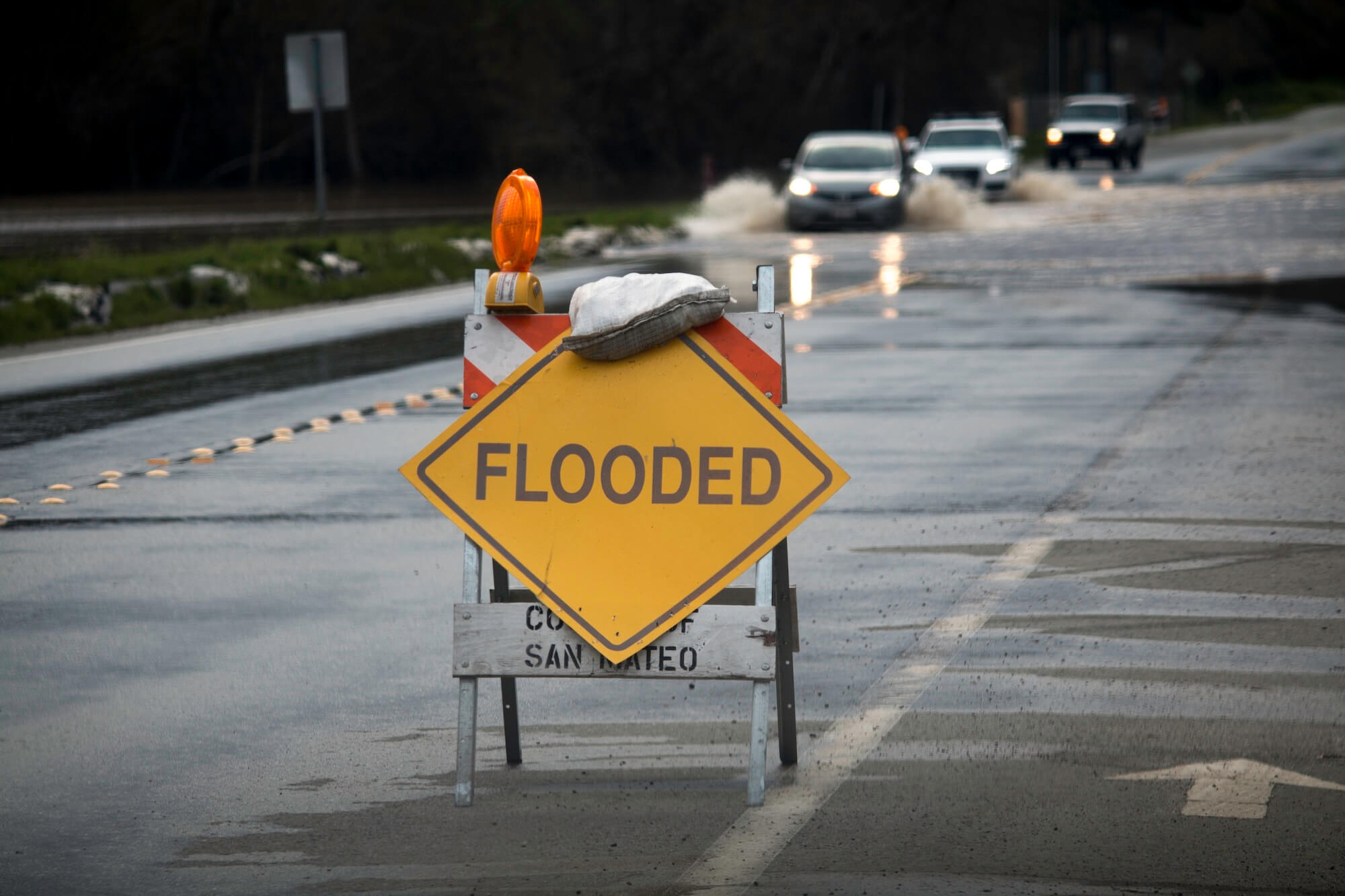
Floods do not stay inside the lines on a map.
Plenty of homeowners assume their property is safe simply because it sits outside a mapped flood zone. That assumption gets expensive fast. Most standard homeowners insurance does not cover flood damage at all.
The scale of the problem is real too. According to the U.S. Government Accountability Office, flooding caused more than $8 billion in damages in 2024 alone.
A solid flood risk assessment is what turns that uncertainty into a plan. It gives property owners the chance to act early, whether that means reinforcing the home, securing the right coverage, or, in the more serious cases, deciding it is time to move.
Here are seven signs that point to real property flood vulnerability, and what each one actually means for a homeowner.
Your Property Sits in or Near a Designated Flood Zone
Location alone can tell you a lot.
FEMA maps communities into flood zones based on assessed flood risk. Zones A and AE generally identify high-risk areas, while Zone X can indicate moderate or minimal flood risk. These designations are developed using flood studies, topography, hydrologic and hydraulic data, and other available information.
FEMA flood zones can affect:
- Flood insurance: Homes in high-risk zones with government-backed mortgages typically require flood insurance.
- Property value: Flood risk can affect a home’s market value.
- Long-term value: Research has found that flooded homes can lose around 3% of their value initially, with losses reaching closer to 10% after 15 years.
Checking a property’s classification is simple enough. The FEMA Flood Map Service Center offers free, searchable flood zone maps, and many counties publish their own local maps as a second reference point. Pulling both gives a much clearer picture of property location and flood risk than either source alone.
Poor Drainage and Standing Water Around Your Foundation
A property’s own drainage can create risk regardless of its official zone. Water that lingers near the walls after a storm is not something to shrug off.
A few common drainage problems and flooding red flags worth watching for:
- Clogged or missing gutters that prevent water from draining properly.
- Downspouts emptying next to the foundation, which can send water straight toward the house.
- Low spots in the yard where water pools after rain.
- Poor grading that directs water toward the foundation instead of away from it.
- Dense mulch beds, pavement, or tree roots that can trap moisture close to the foundation.
Grading is often the root cause behind these issues. The ground around a house should slope away from it, guiding water outward instead of toward the walls. Exact slope requirements vary by region, so it is worth checking local building codes or asking a drainage professional about your specific area.
Your Home Is Below Street Level or in a Low-Lying Area
Elevation is one of the strongest predictors of flooding, which makes assessing flood risk by terrain worth doing early.
The logic is simple. Water runs downhill. Homes sitting in valleys, near creeks, or below street level end up collecting runoff from everything around them.
In low-lying spots, even a modest rain shower can pool, since natural drainage just is not there. Basement and crawl space entries sit at the lowest point of a home, which makes them the first place water finds its way in. During heavy rain or stream overflow, those below-grade spaces can flood surprisingly fast. A driveway that slopes down toward a garage is one detail worth paying closer attention to during storms.
Proximity to Waterways, Streams, or Storm Drains
Living near water raises exposure in more than one way, and it helps to know the difference between the two main flood types.
Riverine flooding happens when an established river or stream overflows its banks over the course of hours or days. Flash flooding comes from intense, sudden rainfall and can turn dangerous in minutes, sometimes far from any river at all.
Flood Type Typical Cause Warning Time Best Preparation Riverine Overflow from rivers or streams Hours to days Elevation, flood barriers, insurance Flash flood Intense, sudden rainfall Minutes Drainage upgrades, sump backup, evacuation plan Storm drain backup Undersized or blocked drains Minutes to hours Backflow valves, gutter maintenance
Properties close to waterways generally carry more risk, though exact distance thresholds depend on local hydrology and official flood zone designation. Checking FEMA flood maps and any local floodplain studies is worth the time. Storm drains deserve attention too. During intense rainfall, drainage systems can become overwhelmed or blocked, causing water to back up and collect near homes.
Visible Water Stains, Mold, or Damp Basement Walls
If water is already finding its way inside during ordinary rainfall, heavier storms may create a greater risk of water intrusion. In basements and crawl spaces, look for:
- Water seepage: Regular seepage during rain can signal an ongoing water intrusion issue.
- Signs of previous flooding: Water stains, damaged materials, mold, or musty odors may indicate past flooding.
- Property value concerns: Existing water damage can lower the home’s value and point to recurring problems.
- Restoration needs: Documenting visible damage can help determine what restoration work may be needed.
Aging or Inadequate Sump Pumps and Backup Systems
Equipment failure is a direct path to basement flooding.
A sump pump’s job is to push groundwater away from the foundation and keep the sump basin dry. When it stops working, water rises quickly. Pumps do not last forever, and they can quit without much warning.
A few signs worth paying attention to:
- Unusual grinding or rattling sounds
- Frequent on-and-off cycling
- Discharge lines that freeze in winter
- A basin that never fully empties
Adding a battery backup or a secondary pump provides redundancy exactly when it matters most. It is one of the more straightforward steps in flood mitigation for homes.
Cracked or Deteriorating Foundation and Basement Walls
Cracks in foundation or basement walls can create pathways for water intrusion. During flooding or periods of saturated soil, hydrostatic pressure can push water through cracks, joints, and other vulnerable areas.
These openings can form from settling, freeze-thaw cycles, tree roots, or previous damage, and each one can add to overall exposure. Older poured-concrete and masonry basement walls may also become more susceptible to moisture intrusion as materials and waterproofing systems deteriorate over time.
Sealing visible cracks and applying a waterproof coating are both practical steps toward flood damage prevention. For cracks that are deep or widening, it is worth having a structural engineer take a look before the problem grows.
Frequently Asked Questions About Property Flood Risk
Start with a professional risk assessment and build a mitigation plan from there. It makes sense to address simpler fixes, such as gutters and grading, before moving on to structural or equipment upgrades.
No. Standard homeowners insurance generally excludes flood damage. Flood insurance is separate and can cover the structure, its contents, or both through the National Flood Insurance Program in participating communities.
Several upgrades can help, including better grading, backflow valves, a reliable sump system, and a sealed foundation. Grant funding may also be available for eligible mitigation projects.
It is worth reviewing your property’s flood risk periodically, particularly after major storms, significant drainage or landscaping changes, or updates to local flood maps.
Yes. Flood insurance is available in participating communities regardless of the property’s zone designation. Flooding can also occur outside mapped high-risk areas, so insurance may still be worth considering.
More Questions?
If you have a question that is not answered here, you can reach out to us via our contact form.
Contact UsTake Action on Your Flood Risk
The seven signs above form a working checklist, not a worst-case scenario list.
A designated flood zone, poor drainage, low elevation, nearby waterways, interior water damage, an aging sump pump, and a cracked foundation each point to real exposure. Even one or two of them is reason enough for a professional assessment and a plan to prevent flood damage before it happens.
Understanding your risk now heads off the panic, costly repairs, and insurance gaps that tend to show up later. Homeowners who want a closer look at what a personalized flood mitigation plan involves can find more detail on what the process actually covers.
MitigateNow connects homeowners with certified mitigation experts across the country, from initial risk assessment through the final fix.
Reach out to our team to discuss your property and get connected with the right protection plan.
1 thought on “7 Signs Your Property May Be at Risk of Flood Damage”
Comments are closed.