
What Is a Wildfire Mitigation Plan and Why It Matters for Your Home
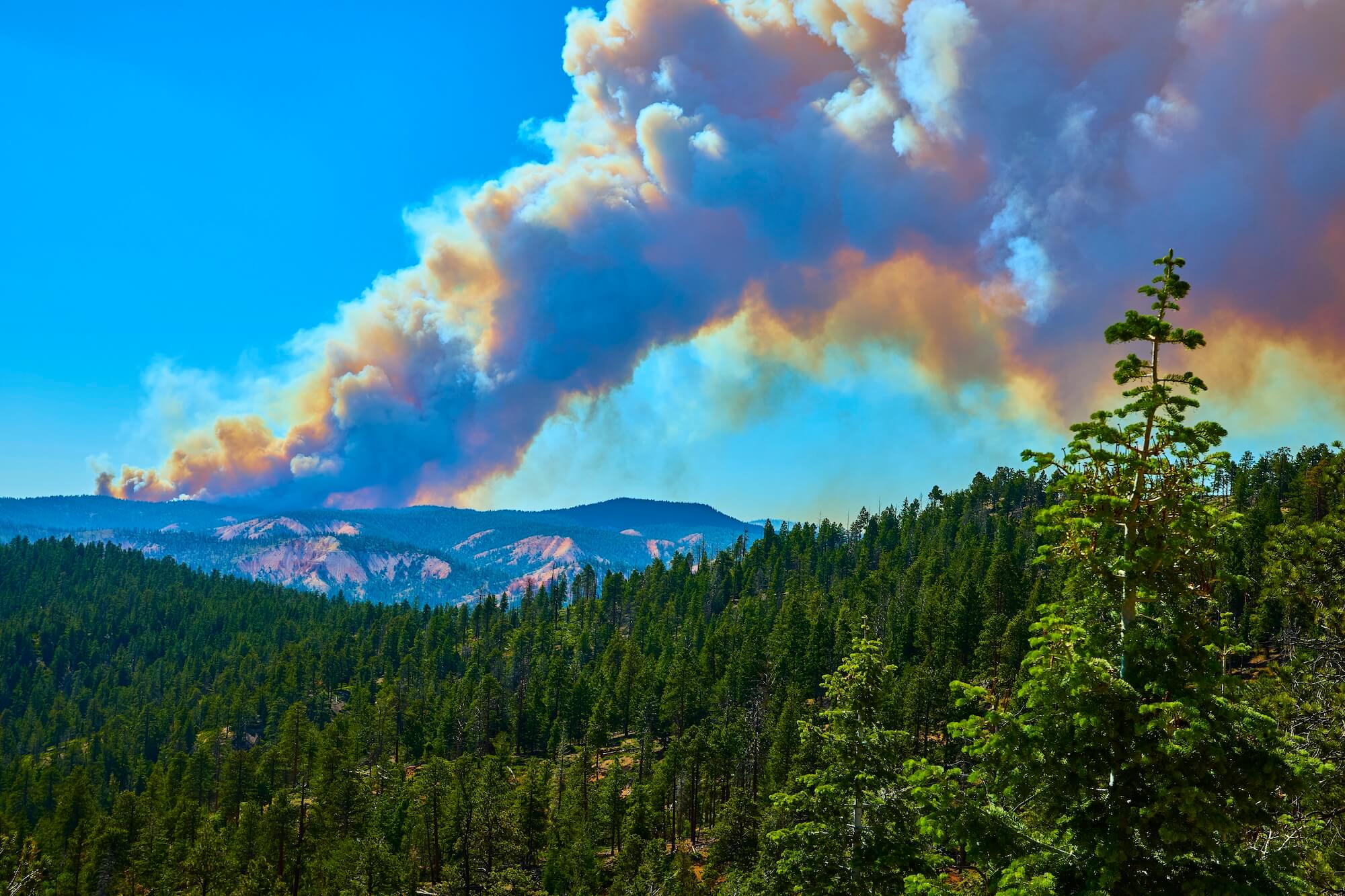
Wildfires have become a critical concern for homeowners and communities across the United States, especially in California and other high-risk regions. Rising temperatures, prolonged drought conditions, and continued development in wildfire-prone areas have contributed to more frequent and severe fire events. To battle these challenges, emergency responders and firefighters play an important role during active wildfires. However, preventive measures such as wildfire preparedness and recovery plans, if taken into account before a disaster, can reduce damage and improve safety.
A comprehensive mitigation for wildfire strategy allows homeowners to identify vulnerabilities before any disaster. That is, the answer to how to prevent wildfires in California starts with proactive planning and long-term preparation. These efforts can help families protect their property, improve resilience, and reduce future wildfire risk.
In this blog, we will discuss the key components of a wildfire mitigation plan, its benefits for homeowners, and the strategies homeowners can take to reduce wildfire risks and build long-term resilience.
What Is a Wildfire Mitigation Plan?
A wildfire mitigation plan is a personalized strategy formulated to identify fire-related hazards and implement measures that can reduce the likelihood of property damage during a wildfire. Unlike emergency response activities that occur during active fires or recovery efforts after a disaster, mitigation focuses on preparation before an emergency happens.
A successful mitigation for wildfire plan evaluates the location of the property, building materials, topography, and surrounding environment. The main goal is to reduce ignition risks and limit fire spread. An effective wildfire preparedness and recovery plan requires homeowners to assess vulnerabilities regularly and adjust protective measures as conditions change throughout the year. Every property presents unique challenges, making personalized planning an essential part of wildfire protection.
Why Wildfire Mitigation Matters for Homeowners
Wildfires tend to spread quickly through dry vegetation, airborne embers, and vulnerable structural components. A single ember can travel miles ahead of a fire front and ignite homes that appear far from immediate danger. Implementing a mitigation for wildfire plan can help reduce these risks by creating barriers that slow fire spread and protect structures.
Here are some of the benefits of wildfire mitigation:
- Improves homeowner and family safety by reducing exposure to wildfire hazards.
- Helps minimize property damage through proactive risk reduction measures.
- Strengthens long-term resilience against future wildfire events.
- Enhances emergency response readiness by improving preparedness and planning.
- Supports effective wildfire preparedness and recovery by helping families develop evacuation strategies and emergency response plans.
- Encourages better preparation for future wildfire seasons through ongoing assessment and maintenance.
- Reduces potential losses that can occur when action is delayed until a wildfire warning is issued.
What Should a Wildfire Mitigation Plan Include?
An effective mitigation for wildfire plan should combine multiple protective strategies to address various sources of fire. Here are some of the factors that should be taken into account:
Property Risk Assessment
A property assessment can identify wildfire hazards surrounding the home, including vegetation density, slope conditions, access roads, and nearby fuel sources. Evaluating structures, landscaping, and environmental factors provides a foundation.
Defensible Space Creation
Creating defensible space around structures remains one of the most effective wildfire protection strategies. This process involves removing combustible vegetation, maintaining safe distances between plants and buildings, and conducting other fuel modification activities to reduce fire spread potential.
Home Hardening Improvements
Home hardening focuses on strengthening structures against ember intrusion and radiant heat exposure. Protective upgrades may include ember-resistant vents, fire-resistant roofing systems, non-combustible siding materials, and sealing vulnerable openings around the home.
Emergency Preparedness Measures
A comprehensive wildfire preparedness and recovery plan includes evacuation routes, emergency supply kits, communication plans, and preparation strategies for family members and pets. Regular updates and practice drills help residents remain ready during emergencies.
How to Better Protect Your Property from Wildfire
Building resilience against wildfire starts with proactive planning, property maintenance, and fire-resistant upgrades. Here are some of the ways to make your property fireproof:
- Reduce Ember Risks: Installing wildfire-resistant vents and ember protection systems helps prevent sparks from entering vulnerable areas of the home.
- Upgrade Building Materials: Roofing and siding upgrades may provide additional fire protection benefits depending on the property’s location and risk profile.
- Maintain Defensible Space: Removing combustible materials near structures and maintaining defensible space zones can significantly reduce fire exposure.
- Conduct Regular Inspections: Routine property assessments help homeowners identify maintenance issues before wildfire season begins.
- Adopt a Long-Term Strategy: Understanding how to prevent wildfires in California involves combining structural improvements with ongoing vegetation management and preparedness activities. Effective mitigation for wildfires demands continuous attention rather than treating it like a one-time project.
Understanding the California Wildfire Mitigation Program and Similar Initiatives
Understanding how to prevent wildfires in California requires cooperation between homeowners, public agencies, and local organizations working together to reduce wildfire impacts.
The California Wildfire Mitigation Program is such a collection of statewide and community-based initiatives. It has been designed to reduce wildfire risk and improve public safety. Programs supported by Cal Fire, local counties, and the Office of Emergency Services provide homeowners with access to educational resources, wildfire prevention guidance, and, in some cases, financial assistance opportunities for eligible mitigation projects.
Participation in the California Wildfire Mitigation Program helps communities devise coordinated strategies while encouraging individual preparedness efforts. These programs promote defensible space creation, home retrofitting, vegetation management, and community wildfire planning.
Working with Wildfire Mitigation Contractors and Specialists
Effective mitigation for wildfires requires specialized knowledge and equipment unavailable to most property owners. If you’re a homeowner and you’re participating in the California Wildfire Mitigation Program, you may also benefit from professional guidance when implementing recommended improvements.
Wildfire mitigation experts provide homeowners with specialized assessments and strategic recommendations designed to reduce wildfire risks. Their evaluations consider property characteristics, local regulations, and wildfire behavior patterns to create effective mitigation plans.
Some of the professional services may include defensible space creation, vegetation management, home hardening improvements, and installation of specialized protective products.
How Much Does Fire Mitigation Cost?
The cost of wildfire mitigation varies. It depends on factors such as property size, existing wildfire risk factors, and the scope of recommended improvements. Some protective measures, such as debris removal and vegetation maintenance, involve relatively low costs. Larger projects, including roofing upgrades and structural retrofitting, require greater financial investment.
That is why it’s important to take a professional assessment. It can help homeowners prioritize improvements and develop phased mitigation plans. Although mitigation for wildfires requires upfront investment, these costs are often considerably lower than the potential costs associated with wildfire damage.
Common Wildfire Mitigation Mistakes Homeowners Make
Building an effective wildfire preparedness and recovery strategy starts with avoiding common oversights that can increase a property’s exposure to wildfire damage.
Here are some of the common mistakes for homeowners to avoid:
- Delaying Action: Waiting until wildfire season begins can limit preparation time and reduce the effectiveness of mitigation efforts.
- Ignoring Defensible Space: Failing to maintain adequate defensible space around a property can increase the likelihood of fire spreading to structures.
- Relying Only on Emergency Supplies: Emergency kits are important, however they should be part of a broader wildfire protection strategy.
- Neglecting Home Hardening: Overlooking structural improvements, such as fire-resistant materials and ember protection systems, can leave homes more vulnerable.
- Skipping Professional Assessments: Avoiding professional evaluations may result in critical risks and property vulnerabilities remaining unidentified.
Final Thoughts: A Wildfire Mitigation Plan Is an Investment in Home Protection
It is evident that wildfire mitigation provides homeowners with strategies to reduce risks before escalation. Putting defensible space, home hardening improvements, emergency planning, and professional guidance under one roof helps to create stronger protection against future wildfire threats.
Homeowners in California should prioritize developing an effective wildfire preparedness and recovery plan to strengthen resilience and better prepare for future wildfire threats. Working with qualified professionals and participating in programs such as the California Wildfire Mitigation Program can help simplify the process and improve outcomes.
This is where MitigateNow’s expertise and support become invaluable.
At MitigateNow, homeowners can access trusted professionals, expert guidance, and proven mitigation solutions designed to improve wildfire preparedness and strengthen long-term property protection. With a focus on quality, reliability, and ongoing support, our team helps homeowners take proactive steps toward building safer and more resilient communities.
Ready to protect your home with professional disaster mitigation services? Connect with MitigateNow today!
FAQs: Wildfire Mitigation Plans and Home Protection
A wildfire mitigation plan identifies property risks and outlines protective measures that support mitigation for wildfires and improve long-term preparedness.
To better protect your property from wildfire threats, familiarize yourself with essential mitigation measures such as home hardening, ember protection systems, vegetation management, and defensible space.
Fire mitigation costs vary based on property size, wildfire risk, and the scope of improvements required. A professional assessment can help homeowners identify priorities and plan mitigation investments effectively.
An effective wildfire mitigation plan includes risk assessments, defensible space, emergency planning, vegetation management, and home hardening strategies.
The California Wildfire Mitigation Program provides educational resources, guidance, and support for wildfire risk reduction.
Creating defensible space, reducing combustible vegetation, and strengthening homes with fire-resistant materials are among the most effective ways to reduce wildfire risks and protect properties.
Hiring a wildfire mitigation contractor can help homeowners identify property-specific risks and implement effective protection strategies. Professional assessments and customized recommendations can significantly strengthen wildfire preparedness and recovery efforts.
More Questions?
If you have a question that is not answered here, you can reach out to us via our contact form.
Contact Us
1 thought on “What Is a Wildfire Mitigation Plan and Why It Matters for Your Home”
Comments are closed.