
How California Homeowners Can Reduce Wildfire Risk Around Their Property
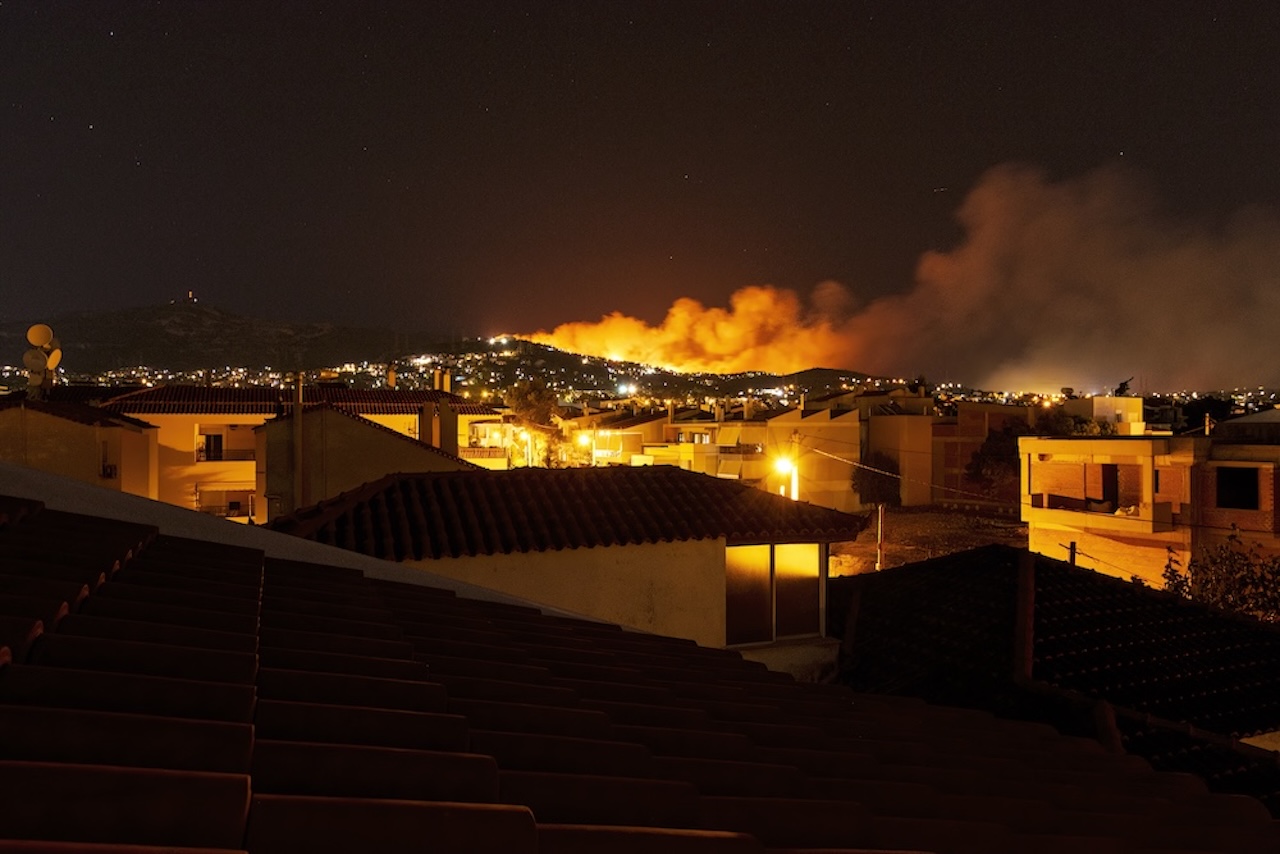
California wildfires are becoming more frequent and destructive, leaving many residents feeling as though these disasters are an unavoidable force of nature.
While the scale of these fires is immense, many homeowners mistakenly assume that property-level actions don’t make a difference. In reality, how you manage the immediate surroundings where you live is the most critical factor in whether a home survives.
Small, strategic changes such as clearing debris or hardening vents can significantly reduce the risk of fire spread. Understanding how to prevent wildfires in California begins with a shift in mindset, which can help to save lives.
Instead of just being a government and Cal Fire issue, California wildfire prevention starts with proactive mitigation on your own doorstep, with you doing everything possible to learn how to prevent wildfires from claiming your home.
What Causes Wildfires in California? (And Why Prevention Is Difficult)
The answer to the question “What is the real cause of the California wildfires?” is a complex mix of natural and human factors.
Lightning strikes and extreme drought create tinder-box conditions, while human activities such as downed power lines, equipment sparks, fuel breaks and unattended campfires often provide the initial flame.
Compounding this are climate factors such as record-breaking heatwaves caused in part by increasing greenhouse gas emissions, and the fierce Santa Ana winds. People often wonder,
“Why can’t wildfires be stopped?”
The solution to wildfires is difficult because, once ignited, these fires create their own weather patterns and loft embers miles ahead of the main front. Because we can’t control the wind or the rain, learning how to stop California wildfires focuses less on fighting the flames and more on fuel reduction so there isn’t as much to feed them.
What Is Wildfire Prevention for Homeowners?
For a homeowner, it is important to distinguish between wildfire prevention and wildfire mitigation.
Prevention often refers to the broad effort to stop the initial spark from occurring across the state, something that’s headed up by the California Department of Forestry and Fire Protection. It often includes emergency services that are involved in public health and fire protection programs throughout the community, and even provides access to wildfire prevention grants where people can obtain money to help.
Mitigation, however, is the California wildfire prevention strategy you control: reducing the ignition risk of your specific property and slowing the fire’s spread if it reaches your neighborhood.
The core of this effort is creating a defensible space, which is a buffer zone designed to keep flames at a distance and prevent radiant heat from shattering windows.
While many homeowners start this journey as a DIY project, mastering how to prevent wildfires effectively often involves integrating professional risk assessments to identify hidden vulnerabilities in a building’s exterior.
Creating Defensible Space: Your First Line of Defense
Defensible space is organized into three distinct zones, each serving as a vital layer of protection. According to CAL FIRE’s defensible space guidelines, maintaining these zones can significantly reduce wildfire risk around structures.
- Zone 0: Immediate Home Zone (0-5 feet): This is the most critical area. You must remove all flammable materials, including wood mulch, dead leaves and stacked firewood. Use non-combustible landscaping such as gravel, stone or pavers so a fire can’t crawl directly to your siding.
- Zone 1: Intermediate Zone (5-30 feet): Focus on “lean, clean and green.” Trim trees to keep branches at least 10 feet from other trees and remove ladder fuels, low-hanging branches that allow ground fires to climb into the canopy.
- Zone 2: Extended Zone (30-100 feet): Here, the goal is to reduce the total fuel load. Mow dry grass to a maximum height of four inches and remove fallen branches or thick brush.
This tiered solution to wildfires at the property level slows fire spread and, crucially, gives firefighters a safer environment to defend your home. Implementing these zones is the gold standard for how to prevent wildfires in California.
How to Fireproof Your Home from Wildfires in California
If you are looking for how to fireproof your home from wildfires in California, you must focus on embers. Up to 90% of homes lost to wildfires are ignited by wind-blown embers that enter through standard attic vents or land in vulnerable gaps, according to the U.S. Forest Service.
To protect your structure, install wildfire-resistant vents and ember-resistant mesh that block heat and sparks while still allowing airflow. Use fire resistant materials for roofing such as tile or metal, and siding that is made of non-combustible fiber cement.
Additionally, seal any gaps in roofs, eaves and foundations where embers could lodge. Regular inspections and structural upgrades are a primary solution to wildfires, so your home can withstand an ember storm even if the fire front is blocks away.
Essential Wildfire Prevention Solutions Every Homeowner Should Consider
A comprehensive solution to wildfires involves more than just a rake and a lawnmower. Modern California wildfire prevention relies on specialized technology designed for high-heat environments.
Homeowners should consider:
- Wildfire Vents: Specialized vents that close automatically when they sense extreme heat
- Ember-Resistant Mesh: Fine-gauge stainless steel mesh that stops tiny sparks from entering crawlspaces
- Fire-Resistant Landscaping: Choosing high-moisture plants that are naturally more resistant to ignition
- Professional Assessments: Partnering with wildfire mitigation specialists who can provide a roadmap for your specific topography and vegetation type.
These tools can transform your home from a target into a hardened structure capable of surviving the unthinkable.
Ongoing Maintenance: The Most Overlooked Wildfire Prevention Step
California wildfire prevention is an ongoing seasonal commitment, not a one-time event.
Many homeowners do the work once and assume they are safe for years. However, learning how to prevent wildfires effectively requires a constant eye on the calendar.
A seasonal checklist should include clearing wind-blown debris from roofs and gutters, which can ignite from a single spark. Vegetation must be trimmed regularly as it grows back, and protective systems such as vents should be inspected for damage or blockages. Staying prepared year-round means that when fire season inevitably arrives, your home is already in peak defensive condition, rather than being a last-minute project.
When to Work with a Wildfire Mitigation Specialist
While many tasks can be handled by a motivated homeowner, there are times when DIY efforts aren’t enough, especially in high-risk “WUI” (Wildland-Urban Interface) areas.
If your home is on a steep slope or surrounded by dense old-growth brush, you need an expert to determine how to stop California wildfires from reaching your porch.
A specialist provides a customized mitigation plan so that the solution to wildfires you choose is actually compliant with strict California safety guidelines and installed correctly. Professional installation of ember-resistant systems guarantees there are no weak links in your home’s armor, providing peace of mind that a weekend of yard work simply cannot match.
Common Mistakes Homeowners Make
Many residents inadvertently increase their risk by ignoring defensible space guidelines or choosing pretty but flammable landscaping such as cypress or eucalyptus trees. Another common error is failing to protect vents and entry points, assuming that fire-resistant siding alone is enough.
Perhaps the most dangerous mistake is assuming that insurance equals protection. While a policy might help you rebuild, it won’t save your memories or your safety.
Delaying action until smoke is visible is a mistake often cited in how to prevent wildfires in California because, at that point, your options have run out.
Conclusion: Wildfire Prevention Starts with Action
While we may not be able to stop every spark, we can absolutely minimize the damage they cause. Homeowners in the Golden State play the most critical role in the broader effort of California wildfire prevention.
By combining diligent property maintenance with high-quality protective products and expert support, you significantly tilt the odds of survival in your favor. Proactive mitigation is the only true solution to wildfires for the individual resident.
Don’t wait for the next Red Flag Warning to wonder if you’ve done enough. Take action today to secure your home’s future and get professional wildfire mitigation services today.
FAQs: California Wildfire Prevention for Homeowners
To fireproof your home from wildfires in California, focus on hardening the home by installing ember-resistant vents, using fire-rated roofing and maintaining 100 feet of defensible space to prevent ignition.
There is not one real cause of California wildfires, but rather a combination of dry vegetation, climate-driven drought and human-related ignitions such as power line failures or equipment sparks.
Wildfires can’t be stopped because extreme winds and low humidity allow fires to spread faster than human resources can contain them, often jumping over traditional firebreaks via embers.
The most effective solution to wildfires for homeowners is the rigorous creation of defensible space zones and the installation of ember-resistant structural components.
The best solution to wildfires for homeowners is a holistic approach that combines regular vegetation management (Zones 0-2) with professional-grade wildfire vents and non-combustible building materials.
Yes. Modern wildfire vents are specifically designed to block embers and radiant heat from entering attic and crawlspace areas, which are the most common points of home ignition.
California law typically requires 100 feet of defensible space around all structures in high-risk zones, divided into the Immediate, Intermediate and Extended zones.
More Questions?
If you have a question that is not answered here, you can reach out to us via our contact form.
Contact Us
2 thoughts on “How California Homeowners Can Reduce Wildfire Risk Around Their Property”
Comments are closed.