
Simple Ways to Make Your Home More Earthquake Resistant
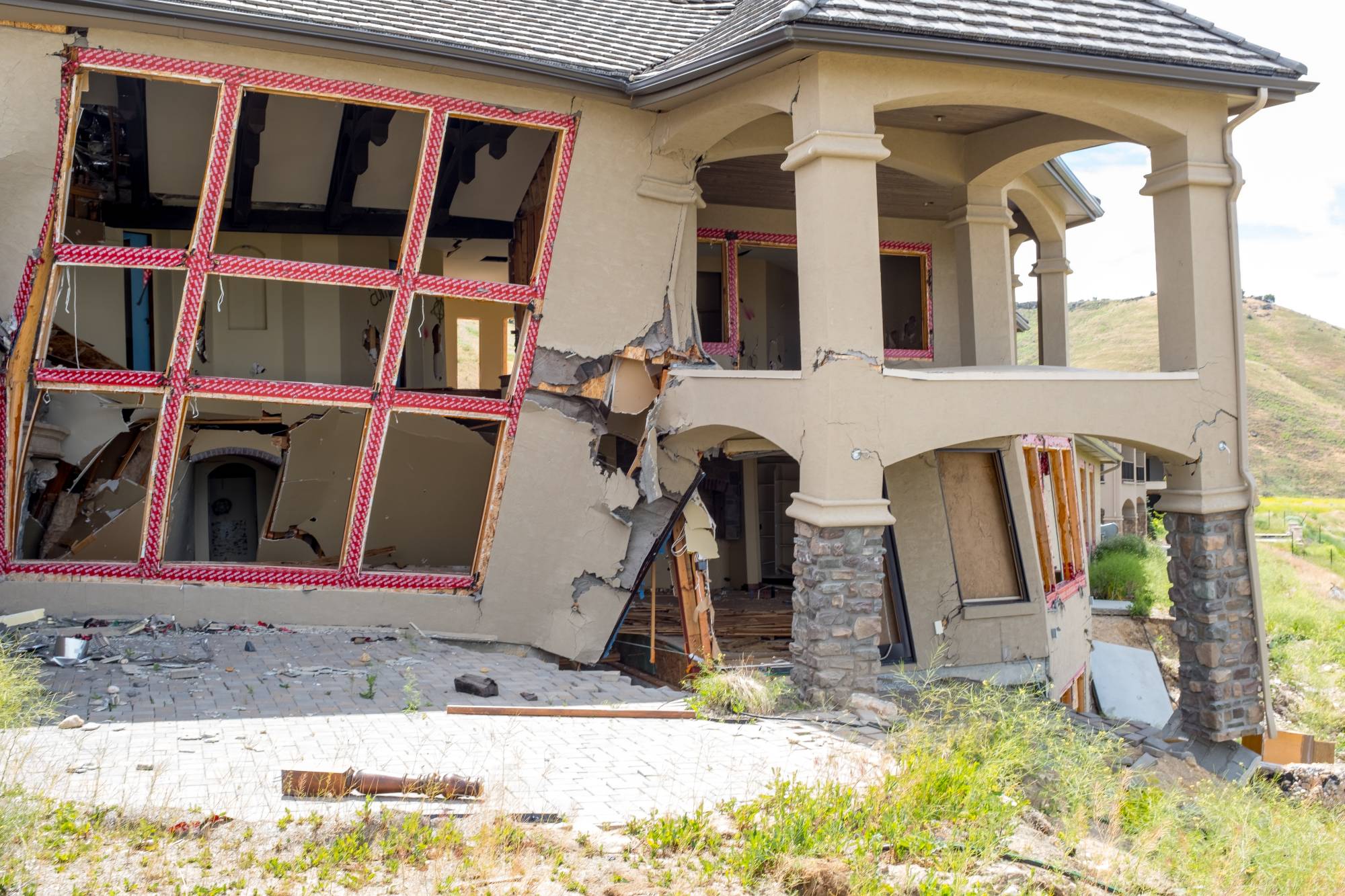
Earthquakes are one of the few natural disasters that give almost no warning. No darkening sky or rising water, just the ground moving beneath your feet and a few seconds to react.
According to the U.S. Geological Survey, 75% of Americans live in areas where potentially damaging seismic events could occur in the next few years. For millions of households, the question isn’t whether risk exists, but whether the home is ready for it.
Many homeowners assume only large commercial buildings need reinforcement, but that assumption can be costly. Building an earthquake proof home doesn’t require a complete overhaul. It starts with simple planning, sound repairs, and the right information.
That’s exactly what this guide covers, practical steps, common vulnerabilities, what to do during a seismic event, and how professional support makes a lasting difference.
Why Earthquake Resistance Matters for Homeowners?
Earthquake damage can affect far more than one cracked wall. Shaking shifts a foundation, separates framing, damages roof connections, and breaks gas or water lines. These failures put people at risk during the event and leave homes unsafe long after the ground settles.
Older homes carry higher vulnerability, especially those with unbraced crawl spaces, weak cripple walls, or unreinforced masonry. Experts consistently point out that an earthquake proof home starts with better anchoring, bracing, and code-compliant seismic design.
Here’s why that matters:
- Foundation damage makes a home uninhabitable for months
- Gas line breaks from shaking create immediate fire and explosion risks
- Structural failures during earthquakes account for injuries and fatalities
- Homes without proper retrofitting face higher repair costs
Understanding how to protect your house from earthquakes reduces repair costs, limits injury risk, and helps your family return to normal faster after a seismic event.
What Makes a House More Earthquake Resistant?
A house resists earthquake damage when its structural components work together during shaking. Flexible design allows the structure to absorb movement without sudden failure. Reinforced foundations, strong framing, and secure roof-to-wall connections keep the home stable.
Proper anchoring is equally critical. A house not bolted to its foundation can slide or shift, causing severe and sometimes irreparable damage. Slab foundations and well-built reinforced concrete foundations perform better when designed for local soil and seismic conditions.
Regular inspections are non-negotiable in earthquake-prone regions. A safer earthquake proof home reflects connection, bracing, anchoring, utility safety, and interior hazard control.
Key structural features that improve earthquake resistance include:
- Continuous load paths designed to transfer seismic forces from the roof to the foundation
- Shear walls built to resist lateral movement during shaking
- Anchor bolts securing the mudsill to the foundation
- Flexible utility connections able to bend rather than break
5 Ways to Make a Building More Earthquake Proof
These 5 ways to make a building earthquake proof are practical steps that apply to homes and small buildings alike. Each one targets a different type of risk, from structural movement to falling objects, and together they form the backbone of a solid earthquake proof home strategy.
1. Reinforce the Foundation: Repair cracks, address drainage issues, and assess soil stability. A compromised foundation undermines every other upgrade you make.
2. Bolt the Home to Its Foundation: Foundation bolting is one of the most effective and cost-efficient steps you can take. It prevents your home from sliding off its base during strong shaking.
3. Strengthen Walls and Frames: Bracing, shear panels, and code-compliant structural supports keep walls from racking or collapsing. Cripple walls are a common weak point that benefit most from this step.
4. Upgrade Roofing Connections: Roof framing must stay tied to the walls. Hurricane ties and proper blocking make a major difference in keeping your roof intact during lateral movement.
5. Secure Furniture, Appliances and Utilities: Strap your water heater, anchor tall furniture, latch cabinets, and install flexible gas and water connections. Interior hazards cause a large share of earthquake-related injuries, even when the structure holds.
These five steps that complete earthquake proof home plans and give you clear, actionable direction on how to protect your house from earthquakes in the future.
Essential Earthquake Readiness Checklist for Your Home
A strong earthquake readiness checklist covers structure and daily safety, and it’s something every homeowner should work through at least once a year. Start with the physical structure, moving to interior hazards and emergency planning.
Structural checks include:
- Inspect the foundation, crawl space, and chimney for cracks or shifting
- Check roof connections and visible framing for damage or deterioration
- Look for leaning walls, uneven floors, or doors that no longer close properly
Interior safety comprises:
- Strap water heaters to wall studs
- Anchor bookcases, cabinets, televisions, and large appliances
- Use latches on cabinet doors to prevent contents from spilling
Emergency preparedness highlight:
- Stock water, food, flashlights, batteries, first aid supplies, and medications
- Keep copies of key records in a waterproof container
- Know the shutoff locations for gas, water, and electricity
- Establish a family communication plan, a meeting point, and a plan for pets
Knowing what to do during earthquakes is far easier when your plan is in place. Professional inspections identify risks your checklist might miss.
What to Do During Earthquakes to Stay Safe
Knowing what to do during earthquakes is the difference between a close call and a serious injury. Emergency experts across the United States consistently recommend “Drop, Cover, and Hold On,” and it works.
When you’re indoors:
- Drop to your hands and knees immediately
- Take cover under a sturdy table or desk, or against an interior wall away from windows
- Hold on and stay in place until shaking completely stops
- Avoid windows, mirrors, tall furniture, and heavy hanging objects
- Do not use elevators under any circumstances
If you’re outdoors:
- Move away from buildings, power lines, trees, and signage
- Stay in the open until shaking stops
- Watch for falling debris as you move
A clear earthquake readiness checklist makes these steps instinctive rather than reactive because the plan was set before the event.
Common Weak Points in Homes During Earthquakes
Your home may have vulnerabilities you haven’t considered yet. Common weak points include:
- Unbolted foundations — The single most common cause of major structural displacement
- Unbraced cripple walls — Short wood-framed walls that can collapse inward during shaking
- Unreinforced masonry — Brick or block walls without internal reinforcement fail quickly under lateral load
- Damaged or tall chimneys — They can topple and cause structural and safety damage
- Loose roof systems — Inadequate connections between the roof and walls allow separation
- Poorly anchored interior items — Water heaters, shelving, and appliances block exits or cause injuries
Homes built before modern seismic codes were established carry the highest risk. Knowing how to protect your house from earthquakes starts with identifying these vulnerabilities early. Even a partial earthquake proof home plan makes a measurable difference when you address the most common failure points.
The Role of Professional Earthquake Mitigation Services
A walk-through inspection is a good starting point, but professional assessments go much deeper. Engineers, inspectors, and earthquake retrofit contractors evaluate foundations, framing, soil conditions, cripple walls, roof connections, and utility systems in ways that you cannot.
According to UC Berkeley, seismic retrofitting reduces earthquake-related losses by up to 50% in wood-frame homes, a figure that underscores why professional guidance matters.
Their findings guide repairs that align with local building codes and actual seismic risk levels. Customized retrofit plans are especially valuable in higher-risk zones, where standard upgrades may not be sufficient.
Working with qualified earthquake retrofit contractors also guarantees your improvements are code-compliant and documentable, which matters for insurance and resale value alike.
Professional earthquake mitigation also strengthens your earthquake readiness checklist by identifying what to prioritize, what to repair first, and risks that are most likely to cause harm in your specific home and location.
Common Mistakes Homeowners Make About Earthquake Preparedness
Many homeowners take steps to prepare for earthquakes, but a few common oversights can undermine those efforts. Understanding these mistakes and the practical solutions that address them improves the home’s resilience and your family’s safety.
Mistake: Relying Solely on Insurance
Insurance covers repair costs after an earthquake, but it cannot prevent injuries, structural damage, or displacement from your home.
Solution: Invest in preventive measures such as seismic retrofits and hazard mitigation upgrades to reduce potential damage before an earthquake occurs.
Mistake: Ignoring Visible Warning Signs
Cracked foundations, leaning chimneys, and loose porch supports are early indicators of structural vulnerabilities that can worsen over time.
Solution: Address these issues promptly and schedule a professional evaluation to identify and correct underlying structural concerns.
Mistake: Overlooking Interior Hazards
Unsecured shelves, water heaters, appliances, and heavy furniture cause injuries and property damage during shaking.
Solution: Anchor large items, install safety straps where needed, and secure breakable or heavy objects throughout the home.
Mistake: Waiting Until After a Nearby Earthquake
Delaying preparedness efforts limits your options and leaves your home more vulnerable when a seismic event occurs.
Solution: Create a preparedness plan and complete necessary upgrades before an earthquake puts your property and family at risk.
Mistake: Skipping Professional Inspections
Many structural weaknesses are not obvious and go unnoticed without expert assessment.
Solution: Schedule periodic inspections with qualified professionals to identify vulnerabilities and recommend appropriate improvements.
Learning what to do during earthquakes is one part of preparedness. Addressing the structural and interior risks before shaking starts is the other, and equally important.
Small Upgrades Can Make a Big Difference During Earthquakes
Preparing your home for an earthquake doesn’t require you to tackle everything at once. Small, strategic improvements can strengthen your home’s resilience, reduce potential damage, and protect the people and belongings that matter most.
If you’re ready to move from planning to action, having the right guidance can make all the difference.
MitigateNow helps you assess your home’s risks, explore retrofit options, and connect with qualified earthquake retrofit contractors. Whether you’re considering foundational upgrades or need a professional seismic assessment, you’ll have access to the expertise needed to make informed decisions.
Get in touch with us today and get your earthquake readiness assessment from experts.
Frequently Asked Questions About Earthquake Safety and Home Protection
A house can be made more resistant through foundation bolting, wall bracing, roof-to-wall ties, secured utilities, and anchored interior items. A full earthquake proof home plan should also include routine inspections and repairs based on local seismic risk.
The safest area is often under a sturdy table or desk, away from windows, mirrors, and tall furniture. If no cover is available, an interior wall away from glass is usually safer. This guidance is central to what to do during earthquakes.
A reinforced foundation designed for local soil and seismic conditions performs best. Bolted wood-frame homes on sound concrete foundations consistently outperform homes with weak, unbraced crawl spaces or damaged masonry.
Your earthquake readiness checklist should include foundation checks, secured furniture, strapped water heaters, emergency supplies, utility shutoff knowledge, communication plans, and inspection records. It should also identify the safest spots in each room.
The primary safety step is “Drop, Cover, and Hold On.” Stay away from windows, avoid elevators, and move clear of buildings and power lines if you’re outdoors.
Costs vary by home age, foundation type, access, and the scope of needed repairs. Securing furniture is relatively low cost, while foundation bolting or wall bracing involves a larger investment. A staged approach helps you prioritize the most urgent risks within your budget.
Common weaknesses include unbolted foundations, unbraced cripple walls, unreinforced masonry, damaged chimneys, poor roof connections and loose utility systems.
More Questions?
If you have a question that is not answered here, you can reach out to us via our contact form.
Contact Us