
Home Improvements That Can Help Reduce Earthquake Damage
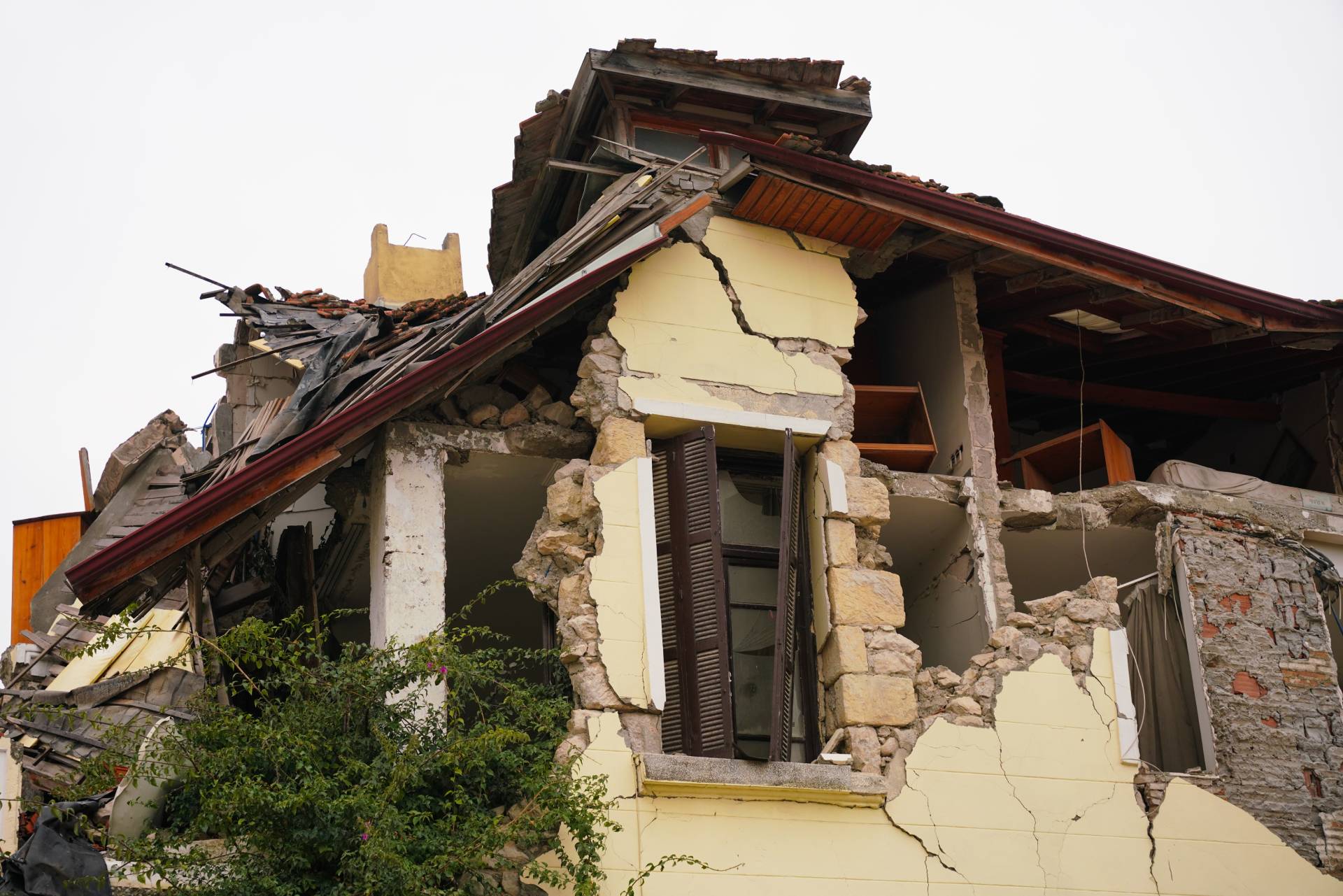
Did you know that an earthquake can turn into an expensive home repair job? Think of a bookcase tipping over, a water heater breaking loose, or cracks spreading through a wall. All of these fixes come at a steep cost. However, knowing how to reduce earthquake damage can help you address these risks before the next quake.
The U.S. Geological Survey (USGS) estimates that nearly 75% of the US could experience damaging earthquake shaking. You cannot control when an earthquake strikes, but you can take practical steps to be better prepared and explore the ways to reduce earthquake damage.
Some improvements are simple enough to handle yourself. Others, such as foundation bolting and cripple wall bracing, need professional expertise. This guide explains where to start, which upgrades may help, and when to seek support from earthquake retrofit contractors.
Why Earthquake Preparedness Starts at Home
Your home’s ability to withstand an earthquake depends on its construction, foundation, and condition. An inadequately bolted foundation, weak cripple walls, and poorly secured structural elements can increase the risk of damage. Knowing how to reduce earthquake damage means looking at both the structure of your home and the items inside it.
The items inside your home create another concern. Unsecured furniture, appliances, cabinets, and heavy objects can fall or shift when the ground moves.
Earthquake mitigation involves two areas:
- Structural improvements: Strengthening the foundation, walls, and other parts of the building.
- Non-structural improvements: Securing furniture, appliances, cabinets, and household items.
You do not need to complete everything at once. Start with smaller safety fixes, then arrange a professional assessment if your home has structural concerns. These steps can help with the mitigation of earthquake risks and reduce the likelihood of costly repairs after an earthquake.
Simple DIY Improvements to Reduce Earthquake Damage
You can make several changes around your home without taking on a major renovation. If you want to start small, focus on the furniture, appliances, and fixtures that could move or fall during shaking.
Secure Heavy Furniture and Appliances
- Anchor bookcases, cabinets, and tall furniture to wall studs with suitable hardware.
- Strap your water heater according to local safety requirements.
- Keep heavy objects on lower shelves.
- Ask a qualified professional to inspect or install approved flexible gas and water connections where needed.
Do not attempt gas-line modifications yourself. These tasks require the right expertise and may involve local safety requirements.
Protect Interior Contents
Cabinet latches can stop doors from opening during shaking. Museum putty or suitable restraints can help keep fragile objects in place.
Secure overhead light fixtures, and avoid placing heavy items above beds, sofas, or other areas where people spend time. These practical precautions are a useful starting point for making your home more earthquake-resistant.
Check Weak Points Around Your Home
Safety film may help reduce certain glass-related hazards. You should also check walls, plaster, and masonry for visible cracks or deterioration.
These low-cost steps can reduce the risk of falling objects and damaged belongings. They cannot correct structural problems, so arrange a professional inspection if you notice serious cracks, movement, or other warning signs.
Structural Upgrades That Help Strengthen Your Home
Furniture anchors and cabinet latches improve household safety, but they cannot address every structural weakness. If you live in a seismic zone or own an older property, a professional can assess how your home may respond to strong shaking. Structural upgrades are an important part of earthquake mitigation, helping address weaknesses that basic safety measures cannot resolve.
Foundation Bolting and Anchoring
Foundation bolting connects your home’s frame to its foundation. Without adequate connections, some homes may shift during an earthquake.
The appropriate solution depends on your foundation type, construction, and local building requirements.
Cripple Wall Bracing
Cripple walls are short walls commonly found in homes with crawl spaces. If they are not properly braced, they may move or fail during an earthquake.
A structural professional can determine whether plywood sheathing or another approved reinforcement method is suitable for your home.
Chimney and Masonry Reinforcement
Older chimneys and unreinforced masonry can create falling-debris hazards. Depending on their condition, they may need reinforcement, rebuilding, or another repair.
An inspection helps you understand the problem before you commit to a particular solution.
Soft-Story Retrofits
A home with a large open ground-floor area, such as a garage beneath living space, may need additional structural review.
A qualified professional can determine whether reinforcement is necessary. Retrofit requirements vary by location, building type, and local code. Structural work should be reviewed by the appropriate professionals and local authorities when required.
DIY Fixes vs. Professional Retrofits
The table below compares the effort, skill level, and potential benefit of each improvement.
| Improvement Type | Cost Level | Skill Required | Potential Benefit |
| Securing furniture and appliances | Low | DIY-friendly | Reduces falling-object hazards |
| Window safety film | Low | DIY-friendly, as applicable | May reduce certain glass-related hazards |
| Water heater strapping | Low | DIY or professional | Reduces appliance movement |
| Foundation bolting | Higher | Professional | Strengthens structural anchorage |
| Cripple wall bracing | Higher | Professional | Improves crawl-space wall resistance |
| Soft-story retrofit | Highest | Professional | Addresses potential ground-floor weaknesses |
Costs and expected benefits vary by property. Combining interior safety measures with appropriate structural retrofits gives you a more comprehensive approach to disaster mitigation and helps address different types of earthquake-related risks.
When to Hire an Earthquake Retrofit Contractor
A professional assessment can help homeowners identify problems that are difficult to spot on their own. Consider an evaluation if:
- Your home was built before modern seismic requirements were adopted in your area.
- You are unsure how the building connects to its foundation.
- Your property sits on a hillside or slope.
- You notice cracks, movement, or other foundation concerns.
- You do not know whether previous renovations changed the structure.
When comparing earthquake retrofit contractors, check their licensing, insurance, seismic retrofit experience, and references from similar projects.
Ask for a written scope of work covering the recommended repairs, materials, estimated timeline, permits, and inspection process. Your contractor should explain why the work is needed and help you understand your options before construction begins.
Frequently Asked Questions
Foundation bolting and cripple wall bracing can provide important structural benefits when your home needs them. Securing furniture and appliances also helps protect people inside the house. The best ways to reduce earthquake damage depend on your property’s construction, condition, and specific vulnerabilities.
Costs depend on your home’s size, age, foundation, location, and the work required. Get a professional assessment and written estimate before starting.
You can handle smaller tasks, such as securing furniture and installing cabinet latches. Structural work should be assessed and completed by qualified earthquake retrofit contractors.
Your home’s age, foundation type, construction, and location can help determine whether you need an assessment. A professional can identify weaknesses that may not be obvious to you.
Some retrofit work may qualify for insurance discounts or other policy considerations. Ask your insurance provider whether approved improvements affect your coverage or premium.
The timeline depends on the project scope, permits, materials, and inspections. Ask your contractor for a written schedule before work begins.
More Questions?
If you have a question that is not answered here, you can reach out to us via our contact form.
Contact UsStart Reducing Earthquake Damage Before the Next Quake
Preparing your home for an earthquake does not have to happen all at once. Securing furniture, addressing structural weaknesses, and arranging a professional assessment can help reduce potential damage and protect the people and belongings that matter most.
Ready to take action? MitigateNow helps you identify your home’s earthquake risks, explore suitable retrofit options, and connect with qualified earthquake retrofit contractors.
Get in touch today to arrange your earthquake readiness assessment and take the next step toward a safer, more resilient home.