
How a Wildfire Home Assessment Can Help You Prepare Before Fire Season
The largest 1% of wildfires in the United States between 1984 and 2024 accounted for nearly 28% of the total area burned nationwide, according to research from Tufts University. While these extreme fires represent a small share of total wildfire events, their ability to affect large areas shows why homeowners need to think about wildfire risk before conditions become severe.
That risk makes timing especially important. By the time smoke sits on the horizon, the window for meaningful preparation may already be limited. A wildfire risk assessment gives homeowners an earlier look at how their property could respond to embers, heat and flames, allowing them to identify vulnerabilities while there is still time to address them.
An assessment can also put the broader wildfire threat into a property-specific context. Instead of focusing only on the likelihood of a fire in the surrounding area, homeowners can examine factors such as vegetation, building materials, access points and other features that may affect how their property could perform during a wildfire.
This article explains what a wildfire risk assessment covers, why timing matters, which areas evaluators examine, and how professional assessments can complement the steps homeowners take themselves.
What Is a Wildfire Home Assessment?
A wildfire home assessment is a structured evaluation of how likely a property is to ignite during a fire event. It examines both the building and the land around it. The goal is to spot weaknesses before flames or embers find them first.
This differs sharply from a general home inspection. A standard inspection looks at plumbing, wiring and structural soundness. A wildfire evaluation focuses on ignition zones, defensible space and structural vulnerabilities that invite fire. Professional wildfire mitigation assessments study the roof, vents, siding and the vegetation surrounding the home.
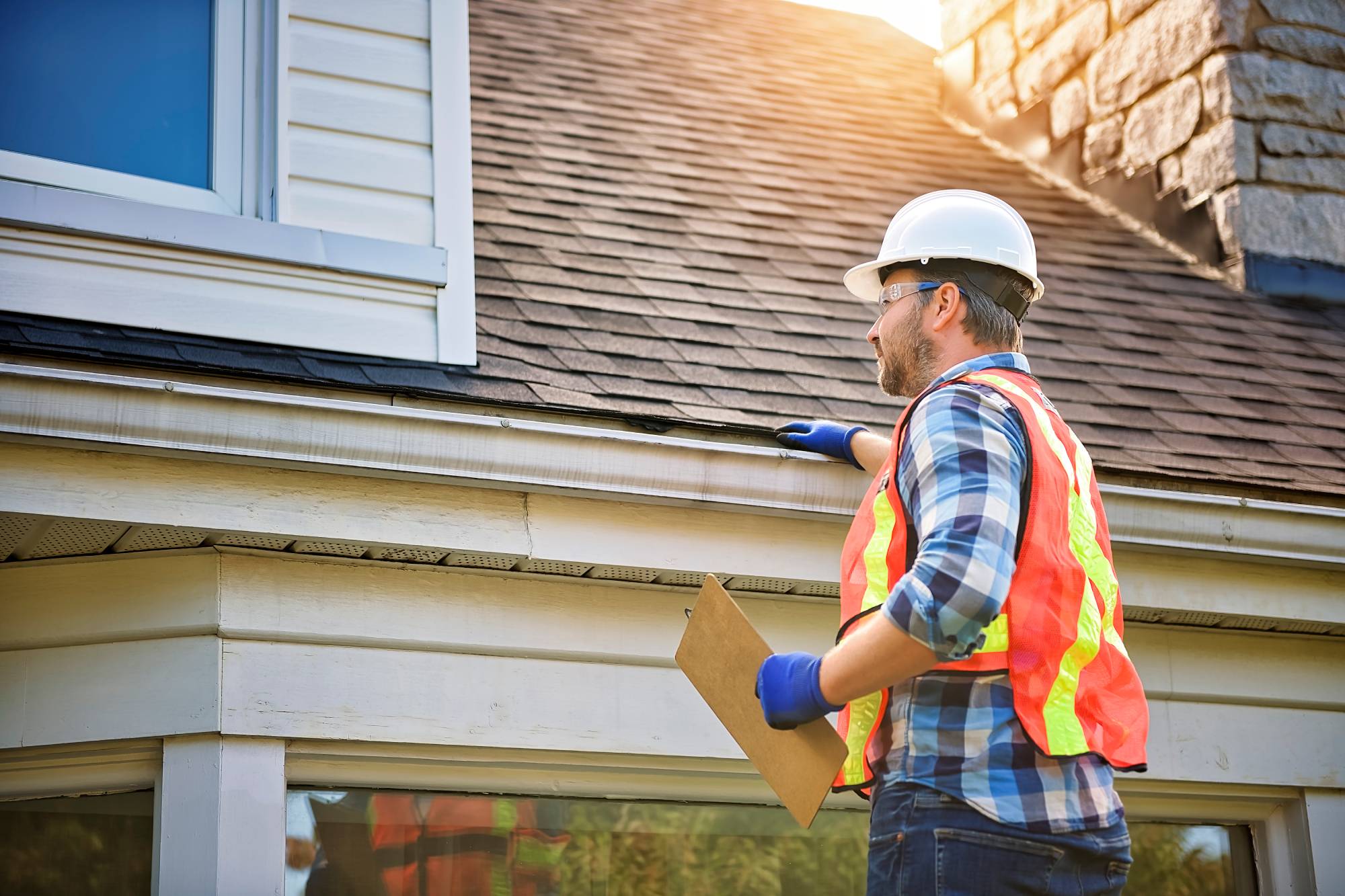
During a walkthrough, an evaluator typically checks these details:
- Roofing material and condition
- Vent openings and screening
- Gutters and roof debris
- Deck construction and clearance
- Plant spacing and species near the structure
- Combustible items stored close to walls
The result is a grounded view of where embers could take hold. That clarity turns anxiety into a plan homeowners can follow.
Why a Wildfire Risk Assessment Matters Before Fire Season
A wildfire risk assessment completed during the off-season gives homeowners time to address vulnerabilities before dry, windy conditions arrive. Trying to complete repairs during an active fire threat can leave little time for careful decisions.
Human activity drives most fire starts, which means preparation genuinely reduces exposure. An estimated 80–95% of global wildfires are ignited by human activities, according to the World Health Organization.
The benefits extend beyond a single property. Wildfire mitigation at the property level can also contribute to broader community resilience by reducing potential ignition points and fuel around homes.
Here are some of the benefits of a quick-scan:
- Early identification of high-risk zones
- A prioritized, budget-friendly action plan
- Documentation that may support insurance conversations
- Reduced ember-ignition points around the structure
With those risks identified and addressed, homeowners can also gain greater peace of mind. Knowing a home has been evaluated and improved gives them more time to focus on evacuation logistics rather than making last-minute decisions. That clarity can matter when warnings go out.
Key Areas Evaluated in Wildfire Mitigation Assessments
Wildfire preparedness guidance commonly divides the area around a home into three ignition or defensible-space zones, although specific requirements may vary by location.
- Immediate zone (0-5 feet): the highest priority, closest to the structure
- Intermediate zone (5-30 feet): landscaping and spacing between plants
- Extended zone (30-100 feet): thinning vegetation and reducing fuel continuity
Defensible Space and Landscaping
Vegetation is the fuel that carries fire toward a home, so evaluators look closely at how it is managed. They check clearance around walls, spacing between trees, and the type of mulch near the foundation. Combustible mulch can provide fuel near a structure, which is why noncombustible materials such as gravel or stone are often recommended in the immediate zone. Tree canopies should also be spaced to break up fire paths.
These measures become even more important as conditions dry out. Hot temperatures, low humidity, and strong winds can make dry vegetation ignite and spread fire more quickly. Managing plant health and spacing can reduce the amount of fuel available around the home.
Home Hardening and Structural Vulnerabilities
Home hardening addresses the building itself. Roofs, vents, gutters, decks, windows, and siding can all influence a home’s vulnerability to ember ignition and wildfire exposure.
For example, a few common upgrades include Class A roofing, ember-resistant vent mesh, and tempered glass windows. Decks built with ignition-resistant materials can also help reduce a common point of failure.
Access, Water and Escape Routes
Firefighters need to reach a home quickly and leave safely, which makes clear access a key part of wildfire preparedness. Evaluators review driveway width, overhead branch clearance, and whether the home’s address is easy to see from the road. They may also consider water availability and other property-specific factors that could affect emergency response.
That being said, professional wildfire mitigation services can provide homeowners with clear, prioritized recommendations for making their property easier to defend.
DIY vs. Professional Wildfire Mitigation Services
A homeowner can learn a lot by walking the property with a checklist. This simple process can highlight visible hazards and create greater awareness of potential wildfire risks. Still, some concerns are easy to overlook without professional experience, especially those involving building materials, vegetation, access, and how these factors interact during a wildfire.
Here is a table that can help you decide the best:
| Factor | DIY Assessment | Professional Wildfire Mitigation Services |
| Cost | Low upfront | Investment with expert insight |
| Expertise | General awareness | Trained risk evaluation |
| Documentation | Informal | Detailed report |
| Prioritization | Based on homeowner observations | Professional recommendations |
| Insurance support | Limited | Stronger documentation |
Professional wildfire mitigation services take the assessment further with a written report and ranked action plan, helping homeowners decide what needs attention first.
For properties with significant exposure or those that have already experienced fire damage, wildfire damage assessment consulting can provide a more focused review. It considers existing damage and future wildfire risks together, helping homeowners make informed decisions about insurance claims and rebuilding.
Your Wildfire Mitigation Checklist to Get Started
A wildfire mitigation checklist can help homeowners with immediate, practical steps. Start here, then pair the list with a professional review to catch gaps:
- Clear the immediate 0-5 foot zone of combustibles
- Clean roof and gutters of leaves and needles
- Screen vents with ember-resistant mesh
- Trim branches overhanging the roof
- Maintain defensible space in the intermediate zone
- Store firewood well away from structures
- Confirm clear, wide emergency access for responders
How Professional Assessments Turn Into an Action Plan
An assessment becomes useful when it gives homeowners a clear path forward. After the walkthrough, a professional can provide ranked recommendations with realistic timelines. High-priority fixes, such as vent screening and roof cleaning, come first, while larger projects, such as roof replacement, can be planned over a longer period.
The work does not stop there. Vegetation grows back, gutters fill up, and a home’s wildfire exposure can change from year to year. This is why ongoing wildfire mitigation services are important. They can help homeowners keep up with recommended work and check that completed measures remain effective.
Final Thoughts
A wildfire risk assessment can be a valuable step in preparing a property before fire season. It replaces uncertainty with a clear plan, ranks repairs by priority, and provides documentation that supports insurance conversations.
At MitigateNow, we connect homeowners with a nationwide network of certified contractors backed by training, proven products, and practical support. Our focus is helping homeowners take informed steps to harden their homes and prepare for natural disasters.
Schedule a professional wildfire risk assessment with us today and protect your home before the next fire season arrives.
Frequently Asked Questions (FAQ)
Cost varies by property size and location. The investment is modest compared with the potential loss of a home. A provider can give a specific quote after reviewing the property.
Schedule it before fire season begins, ideally in early spring or fall. Off-season timing leaves room to complete repairs before dry conditions arrive.
Timing depends on property size and complexity. A professional can estimate the duration for a specific property rather than quoting a fixed number.
It can. Detailed documentation may support conversations with insurers, though outcomes depend on the provider and policy terms.
A professional assessment may identify vulnerabilities that are less obvious during a homeowner walkthrough, particularly those involving vents, building materials, vegetation, and spacing.
It is an expert evaluation of damage and risk, usually used after a fire or for high-exposure properties. The review supports insurance claims and informs rebuilding decisions.
More Questions?
If you have a question that is not answered here, you can reach out to us via our contact form.
Contact Us