
What Every Homeowner Should Know About Flood Risk and Prevention
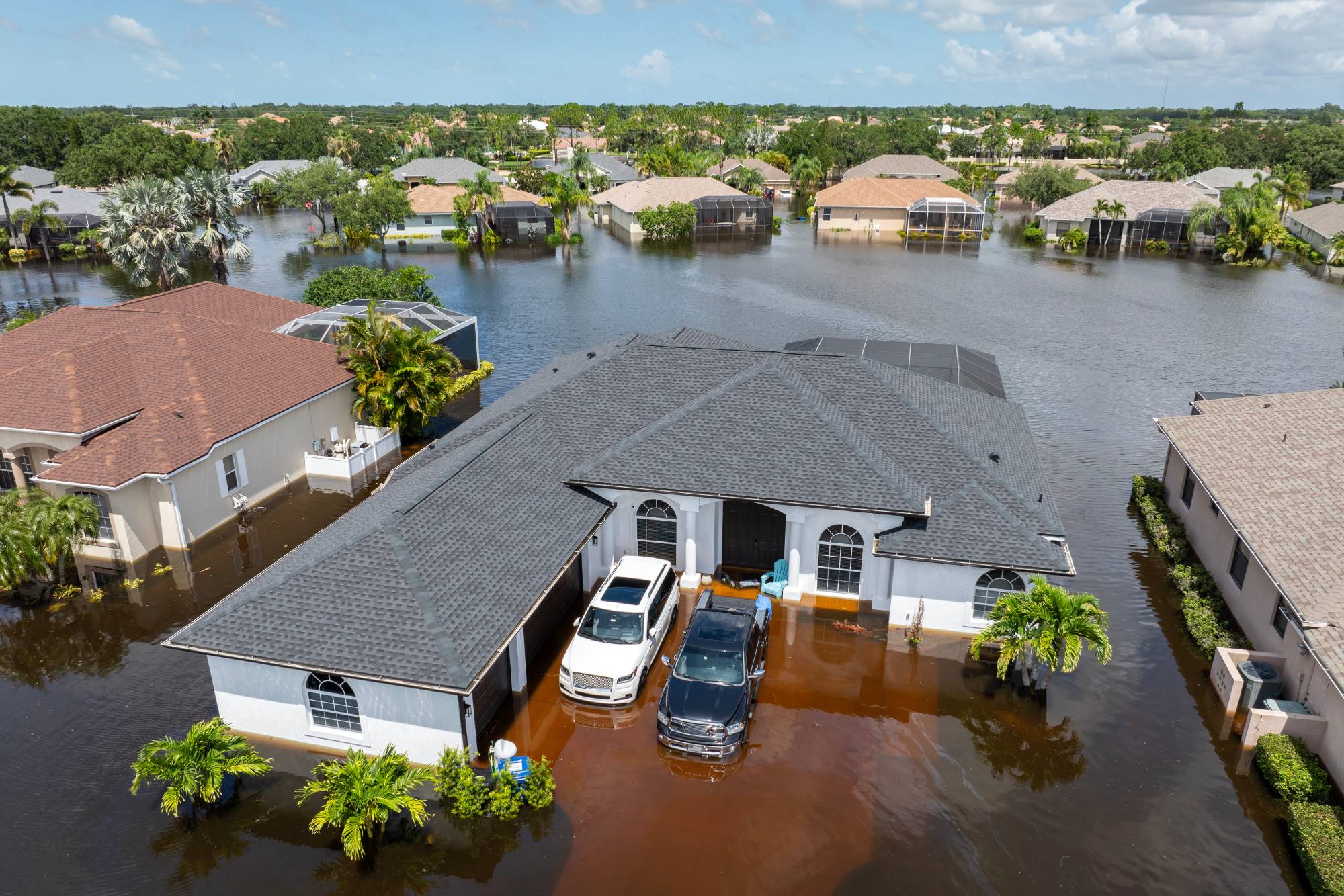
Nobody buys a home imagining they’ll someday be bailing water out of it. And yet, nearly 99% of U.S. counties have experienced a flood since 1996, which means the odds are less comforting than most of us would like.
That said, flooding rarely shows up out of nowhere.
There are always signs, systems, and simple fixes that, if you know about them, can stop water damage before it ever starts. Preventing flood damage starts with your own property and the right flood mitigation strategies that don’t have to be complicated or expensive.
Whether your concern is a soggy backyard, a damp basement, or just wanting peace of mind when storm season hits, this guide is for you.
What Causes Residential Flooding
Flooding doesn’t always arrive in dramatic, headline-making waves. It creeps in through vulnerabilities you might not even notice until the damage is done.
Common causes include heavy rainfall that exceeds your drainage system’s capacity, storm surges during hurricanes or severe weather events, overflowing rivers and creeks, poor yard grading that directs water toward your foundation, and clogged gutters that overflow and pool around the base of your home.
Some homes are more vulnerable than others, particularly those located at lower elevations, near bodies of water, or in areas with older drainage infrastructure.
If you’re wondering how to prevent floods, start by understanding your property’s exposure to risk. Reviewing flood prevention strategies and checking local flood zone maps can help you identify vulnerabilities before heavy rainfall causes problems.
Why Is Flood Prevention Worth the Investment?
The damage flooding causes goes far beyond wet floors. Water intrusion affects your home’s structural integrity, electrical systems, foundation, insulation, and personal belongings. The emotional toll of recovery can be just as heavy as the financial one.
The cost of preventing flooding in homes is always lower than the cost of repairing flood damage after the fact. A sump pump installation, proper grading, or sealed foundation cracks might feel like optional upgrades, but they can save tens of thousands of dollars down the road.
Preventing flood damage isn’t just about reactive planning but about building long-term resilience into your property. Flood insurance helps, but it doesn’t replace the value of proactive mitigation.
5 Flood Mitigation Strategies Every Homeowner Should Know
These aren’t complicated fixes. Many of them are practical, affordable steps you can take on your own, or with professional support when needed.
1. Improve Property Drainage
Water needs somewhere to go. Make sure your gutters are clear, downspouts direct water at least six feet away from the foundation, and your yard slopes away from your home. Proper drainage is one of the first steps in figuring out how to stop flooding before it starts indoors.
2. Seal Foundation and Basement Cracks
Even hairline cracks in your foundation can let water seep in during heavy storms. Use hydraulic cement or waterproof sealant to close any visible gaps. This is one of the most direct flood mitigation strategies for keeping water out of your living space.
3. Install Flood Barriers or a Sump Pump
A sump pump actively removes water that collects in your basement or crawlspace. Paired with flood barriers around doors and low-entry points, this combination significantly reduces indoor water accumulation. If you’re thinking about how to prevent flooding in home basements specifically, a sump pump is non-negotiable.
4. Elevate Utilities and Electrical Systems
HVAC units, water heaters, electrical panels, and other critical systems should be raised above potential flood levels wherever possible. This one step can prevent catastrophic damage and keep your home functional even after a major water event.
5. Landscape for Water Management
Strategic landscaping is an underrated flood mitigation strategy. Use rain gardens, permeable pavers, and proper grading to redirect runoff away from your home. Native plants with deep root systems also absorb water more effectively and reduce surface flooding.
How to Prevent Floods in Your Home During Heavy Rain?
Knowing how to prevent flood damage starts before severe weather arrives. Routine maintenance, early preparation, and effective flood mitigation strategies reduce the risk of water intrusion and costly repairs.
From drainage to emergency readiness, these do’s can create a stronger first line of defense for your home.
Do’s:
- Inspect your roof and maintain gutters and drains regularly. A clogged gutter directs large volumes of water toward your foundation during heavy rain.
- Test your sump pump regularly and install a battery backup, since power outages often accompany severe storms.
- Keep temporary flood barriers, such as sandbags, available for low-lying entry points like basement windows and garage doors.
- Move important documents, valuables, and electronics to higher ground when severe weather is forecast.
- Monitor weather alerts, know your community’s warning signals, and have an emergency plan in place before storm season begins.
- Use flood mitigation strategies such as improving drainage around your property and choosing flood-resistant materials during renovations.
Understanding how to stop flooding also means avoiding common mistakes that can make your home more vulnerable.
Don’ts:
- Avoid storing valuables or important records in flood-prone areas such as basements.
- Don’t block drainage paths around your property with landscaping features, debris, or yard structures.
- Resist making grading or landscaping changes that direct water toward your home’s foundation.
- Never assume your property is safe from flooding simply because it falls outside a designated flood zone.
- Don’t leave basement windows, window wells, or other low-lying entry points unprotected during storm season.
- Refrain from waiting until severe weather is approaching to test your sump pump or backup power system.
These simple steps cover the essentials of flood prevention. By combining regular maintenance with practical preparation, you can protect your property and reduce the impact of heavy rainfall.
The Role of Professional Flood Mitigation Services
Sometimes the vulnerabilities in a home aren’t visible to the untrained eye. A professional flood mitigation assessment identifies drainage weaknesses, foundation risks, and structural issues that DIY inspections might miss.
Experts can design and implement customized flood mitigation strategies, from advanced drainage systems and flood barriers to full property risk evaluations.
If your home sits in a high-risk flood zone, professional guidance is essential. Knowing how to prevent flood damage at a deeper structural level requires expertise that goes beyond standard maintenance.
When Should You Start Flood Prevention Planning?
The honest answer is right now. Flood mitigation strategies are most effective when put in place well before storm season arrives. If your home is in a low-elevation area or has a history of drainage issues, it deserves a regular review.
Early action reduces emergency costs, shortens recovery time, and gives you confidence going into any weather event.
Don’t Wait for the Storm to Hit. Start Flood Prevention Today!
Flooding can’t always be avoided, but the damage it causes absolutely can be reduced. Homeowners who invest in proper drainage, foundation sealing, smart landscaping, and early preparation consistently come out ahead, financially and emotionally.
Combining regular maintenance with targeted flood mitigation strategies is the most reliable way to protect what you’ve built. When it’s time to go beyond DIY, you need a partner who knows what they’re doing.
MitigateNow brings specialized expertise in preventing flood damage at the property level, offering professional assessments, customized solutions, and proven strategies tailored to your home’s unique vulnerabilities. From advanced drainage systems to comprehensive flood barriers, MitigateNow is built to help homeowners stay protected.
Explore our flood mitigation services and take the first step toward a flood-resilient home today.
Frequently Asked Questions
Improve drainage, seal foundation cracks, install a sump pump, elevate utilities, and use flood-resistant landscaping. These core flood mitigation strategies address the most common vulnerabilities in residential properties.
Grade your yard to direct water away from the foundation, plant deep-rooted native vegetation, build rain gardens, and use permeable surfaces. Natural approaches work best when combined with structural solutions.
Key precautions include clearing gutters, testing sump pumps, sealing cracks, elevating valuables, preparing emergency kits, and monitoring weather alerts. Other measures include using temporary barriers, avoiding blocked drains, reviewing flood zone status, and getting a professional assessment.
Focus on proper drainage, grading, and landscaping. Keep water moving away from your home. Understanding how to prevent floods at the property level reveals simple fixes with significant impact.
The most effective flood mitigation strategies combine structural improvements (sump pumps, sealed foundations) with ongoing maintenance (clear gutters, functioning drains) and professional assessments for hidden vulnerabilities.
Maintain drainage systems, monitor the weather, and prepare early. Don’t ignore pooling water, store valuables in flood zones, or wait for a flood warning to act. Preventing floods starts with consistent, proactive habits.
Absolutely. Strategic grading, rain gardens, native plants, and permeable surfaces are proven methods for preventing flooding around your surroundings naturally and effectively.
More Questions?
If you have a question that is not answered here, you can reach out to us via our contact form.
Contact Us
1 thought on “What Every Homeowner Should Know About Flood Risk and Prevention”
Comments are closed.