
How to Strengthen Your Home Before Hurricane Season Arrives
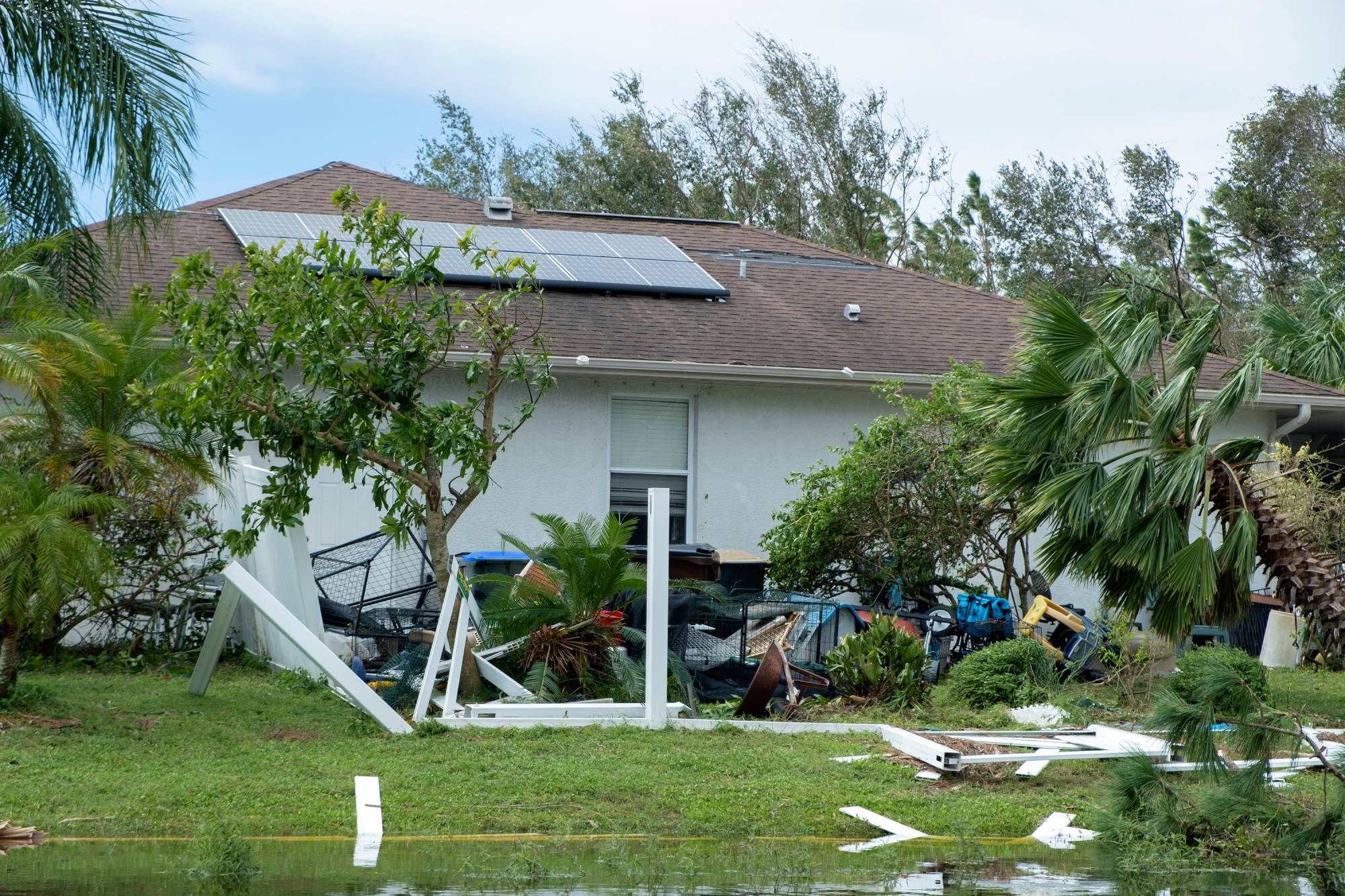
Hurricane season shows up on the calendar every year, but the damage it causes is not set in stone. With the right hurricane mitigation strategies in place, homeowners in storm-prone states can reduce their risk well before the first named storm forms. The key is to use the quieter months to identify vulnerabilities, strengthen your home, and prepare before severe weather is on the horizon.
That preparation matters because the stakes are personal. A solid plan can protect your family, your property, and your peace of mind while also helping you avoid premium prices for last-minute supplies or weeks-long contractor delays caused by emergency demand.
This blog provides a practical roadmap for getting ready, starting with an assessment of your home’s weak spots and moving through structural reinforcement, flood protection, and emergency planning.
Why Early Preparation Beats Last-Minute Scrambling
Reactive mitigation begins when a storm is already on the forecast. At that point, you are rushing to the hardware store, searching for the last case of water, and hoping a contractor still has an opening. Proactive mitigation gives you time to assess your home, choose the right materials, and make thoughtful decisions before severe weather approaches.
That extra time can make a real difference. Anyone who has lived through a hurricane warning knows how quickly supplies disappear. Plywood, generators, and batteries can sell out within hours, while contractors may be booked for weeks once a serious forecast emerges. By waiting until a storm is close, you limit your options and may end up paying more.
That is why effective home hurricane protection should begin well before a storm is named. Instead of trying to address every vulnerability in a 48-hour window, use the months before hurricane season to strengthen the areas of your home most exposed to damage, including:
- Roof integrity and shingles
- Windows and glass doors
- Electrical systems and panels
- Foundation and drainage
- Personal belongings and irreplaceable items
Start With a Home Vulnerability Assessment
In Florida, up to $3.5 million from the Hurricane Loss Mitigation Program’s annual funding supports residential, commercial, and mobile home retrofits and related mitigation efforts.
However, before spending dollars on upgrades, find out where your home is weakest. A clear assessment can tell you what to fix first and what can wait.
Here are the things you can do:
Inspect Your Roof, Windows, and Doors
Start at the top. Look for loose or missing shingles, cracked seals around windows, and worn weatherstripping on doors. Pay close attention to garage doors, since older models flex and fail under wind pressure. Note every weak point before you plan any repairs.
Identify Flood-Prone Areas Around Your Property
Walk the perimeter after a heavy rain. Watch where water pools, whether the ground slopes toward the house, and if drains clear quickly. Learning how to protect your home from a hurricane starts with spotting these low points and blocked gutters.
Pro Tip: For older homes, a professional inspection can help with identifying hidden problems in framing, roofing, and drainage that an untrained eye can miss.
Core Hurricane Mitigation Strategies for Your Home
Once you know your weak spots, reinforce the structure. These upgrades can strengthen your home’s defenses against wind and pressure:
Reinforce Your Roof and Roof-to-Wall Connections
Start with the roof, since it is your home’s first line of defense. Hurricane straps and clips help connect the roof to the walls so it is more likely to stay in place during high winds. Sealed roof decking can also provide a backup layer of protection if shingles blow off. Together, these upgrades can lower the risk of major roof failure.
Protect Windows and Doors
Broken windows can let wind and rain inside, which increases pressure in the home and may even lift the roof. Impact-resistant windows are a strong permanent option. Storm shutters offer reliable, reusable protection, while plywood can work as a lower-cost backup. Do not forget the garage door, since it is one of the most common failure points during a storm.
Secure Outdoor Items and Landscaping
Loose items can quickly become projectiles in strong winds. Trim dead branches, thin heavy tree canopies, and anchor sheds or outdoor structures. Before winds pick up, bring patio furniture, grills, planters, and other movable items indoors.
Here’s a quick comparison of common home hurricane protection options:
| Protection Method | Cost Level | Durability | Best For |
| Storm Shutters | Medium | High | Long-term window protection |
| Impact Windows | High | Very High | Permanent upgrade |
| Plywood Boards | Low | Low | Budget/temporary defense |
| Roof Straps/Clips | Medium | High | Structural reinforcement |
How to Protect Your Home From Hurricane Flooding
Here are a few targeted steps that can reduce your flood risk and help you protect your home from hurricane flooding:
Improve Drainage and Landscaping Grading
Direct water away from the foundation. Regrade soil so it slopes downhill from the house. Clear gutters and downspouts, and extend downspouts several feet from the walls.
Install Flood Barriers and Sump Pumps
Sandbags and portable flood barriers block water at entry points. Flood vents let water pass through instead of building pressure against walls. A backup sump pump with battery power keeps working when the electricity fails, which is when you need it most.
Elevate Utilities and Valuables
Raise HVAC units, water heaters, and electrical panels above expected flood levels where possible. Move appliances off basement floors. Store irreplaceable documents, photos, and heirlooms on higher floors well before a storm approaches.
Build Your Emergency Plan and Safety Kit
Home upgrades can reduce storm damage, but a clear emergency plan can help keep everyone inside safe.
Essential Safety Tips for a Hurricane
Some of the most useful safety tips for a hurricane center on planning and communication. This is what you must do:
- Create a written evacuation plan and know your evacuation zone.
- Set up a communication chain so family members can check in.
- Keep phones and battery packs fully charged.
- Fill your gas tank and locate the nearest shelter early.
What to Stock in Your Emergency Kit
Build your kit before shelves are empty. Include these basics:
- One gallon of water per person per day for at least three days
- Non-perishable food and a manual can opener
- Flashlights, extra batteries, and a portable radio
- A first-aid kit and a two-week supply of medications
- Important documents in waterproof storage
- Cash, chargers, and copies of insurance policies
Review Insurance and Document Your Home
Preparing your home is only part of hurricane readiness. Review your insurance policy before the season starts, since standard homeowners policies typically exclude flood damage. Check your limits, deductibles, and exclusions, and consider separate flood insurance if needed.
Next, document your property with photos or videos of each room, appliance, and valuable item. Store copies in the cloud and keep an offline backup. These records can make it easier to file a claim and support your hurricane mitigation strategies if damage occurs.
Final Thoughts
Strong home hurricane protection starts before a storm is named. Early preparation, structural upgrades, flood protection, and a clear emergency plan can reduce your home’s exposure to damage and help you feel more prepared when severe weather approaches.
At MitigateNow, we help homeowners strengthen their properties with professional mitigation assessments, practical home hardening solutions, and access to a nationwide network of certified contractors.
Do not wait until the next storm is on the forecast. Contact us today and take the next step toward protecting your home.
Frequently Asked Questions (FAQ)
Start before the season begins. Preparing for hurricane season early can avoid supply shortages and rushed contractor work, and gives you time to compare materials.
Reinforcing roof connections and protecting windows and doors can address some of a home’s most significant wind-related vulnerabilities.
Usually not. Flood damage often requires separate flood insurance. Confirm your coverage early so you are not caught off guard after a storm.
Improve drainage, use sandbags or portable flood barriers, and elevate key utilities and valuables. These low-cost steps reduce water damage without major renovation.
Have an evacuation plan, an emergency kit, and reliable communication ready in advance. Knowing your zone and route saves critical time when a storm approaches.
Many basic tasks are DIY-friendly, such as clearing gutters, securing outdoor items, and installing temporary protection. For structural upgrades like roof straps, garage door bracing, or impact windows, work with licensed professionals to ensure safe, code-compliant installation.
More Questions?
If you have a question that is not answered here, you can reach out to us via our contact form.
Contact Us